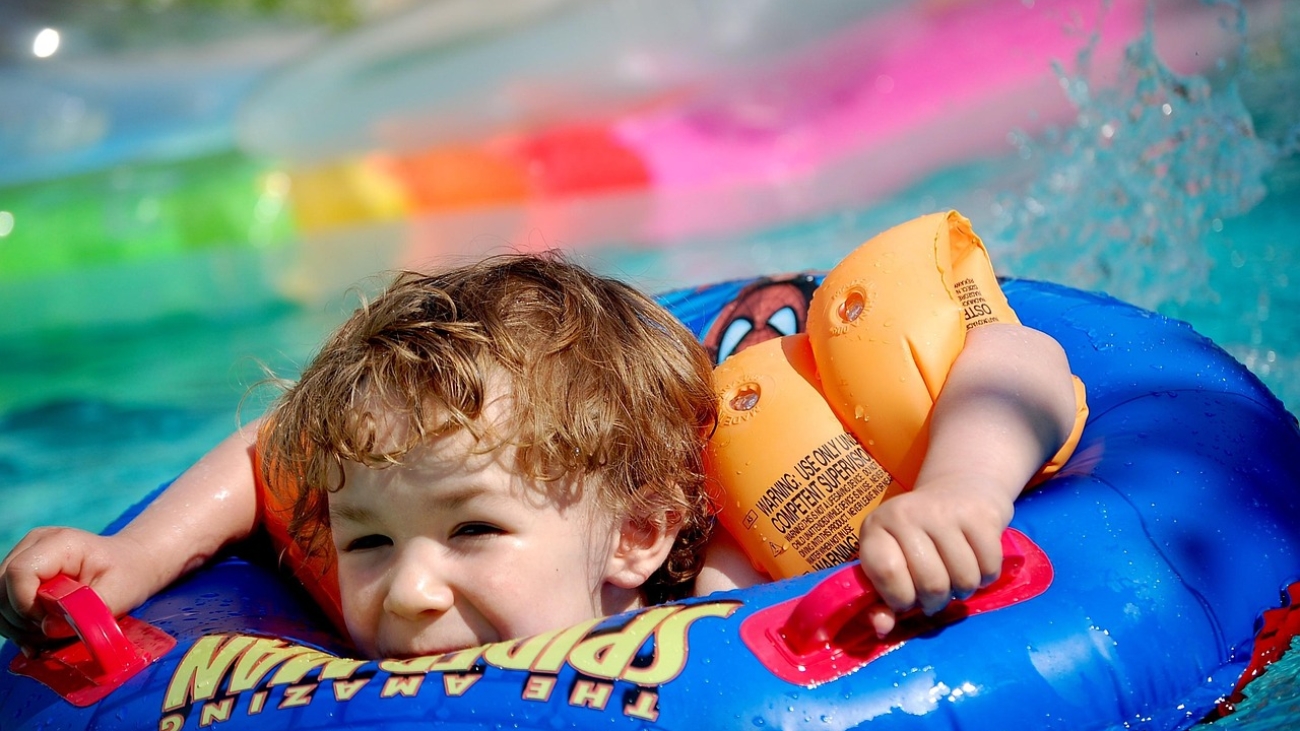
child-778610_1280

From Fear to Fun: Building Brave Swimmers One Lesson at a Time

Turning tears into smiles and fear into confidence

Every confident swimmer you see today once started somewhere — often with a little fear, hesitation, or uncertainty. And that’s completely okay.

At Angel Fish Swim School, we believe that fear isn’t something to rush or “fix” — it’s something to gently guide, understand, and transform. Because behind every fear is an opportunity for bravery to grow.

Understanding the Fear

For many children, fear of water can come from:
💧 A previous negative experience
💧 Fear of going underwater
💧 Feeling out of control
💧 Being in a new environment

And sometimes… there’s no clear reason at all — just a feeling.

What matters most is not why the fear is there, but how we respond to it.

The first step in turning fear into fun is creating an environment where children feel safe, supported, and seen.

At Angel Fish, we focus on:
✔ Gentle encouragement
✔ Positive reinforcement
✔ Small, achievable steps
✔ Building trust with each swimmer

Because when a child feels safe, they become open to trying. And trying leads to progress.

Small Steps = Big Wins

Bravery doesn’t happen in big leaps — it happens in small, meaningful moments.

For one child, bravery might look like:
💧 Sitting on the pool step
💧 Splashing hands in the water
💧 Putting their chin in
💧 Blowing bubbles

Each of these is a huge milestone — and we celebrate them all!

Because confidence grows when children realise: “I can do this.”

The Power of Patient Teaching

A calm, patient instructor can make all the difference.

Through consistent encouragement and understanding, children begin to:
💙 Trust their teacher
💙 Trust the water
💙 Trust themselves

And that’s where the magic happens — when fear starts to fade, and curiosity takes its place.

Supporting Your Child as a Parent

Your role is incredibly important in this journey.

You can help by:
✔ Staying calm and positive
✔ Avoiding pressure
✔ Celebrating effort
✔ Trusting the process

Instead of saying:
✖ “Don’t be scared”

Try:
“You’re so brave — I’m proud of you!”

Those words build confidence far more than we realise.

When Fear Turns Into Fun

One day, something beautiful happens…

The same child who once clung tightly now:
🐠 Jumps in with a smile
🐠 Blows bubbles with confidence
🐠 Tries new skills
🐠 Laughs and enjoys the water

That’s the moment we live for.

When fear transforms into joy, and swimming becomes something they love.

A Journey Worth Celebrating

Every swimmer’s journey is different — and every step forward matters.

At Angel Fish, we don’t measure success by perfection.
We measure it by bravery.

Because the goal isn’t just to teach children how to swim…
It’s to help them believe in themselves.

A Final Thought

Fear is not the end of the story — it’s the beginning.

With patience, encouragement, and love, every child can move from fear… to confidence… to joy.

And when they do, they don’t just become swimmers —
They become brave, confident little humans ready to take on the world.

At Angel Fish Swim School, we turn fear into fun — one lesson at a time.
pexels-juliiaabramova-13379834

Why Consistency in Swimming Matters (Especially in Winter!)

Strong swimmers are built through steady, brave moments — even on chilly days

As the weather cools down and mornings feel a little harder, it can be tempting to skip swimming lessons. Warm blankets start to win over pool time… and routines can easily slip.

But here’s the truth: winter is where the magic really happens.

Consistency Builds Confidence

Swimming is not just a physical skill — it’s emotional too.

When children attend lessons regularly, they begin to feel:
💧 More comfortable in the water
💧 More confident in their abilities
💧 More secure with their instructor
💧 More willing to try new skills

When lessons are missed often, that confidence can fade — and each return can feel like starting over.

Consistency keeps that confidence growing strong.

Muscle Memory Matters

Swimming is a skill the body learns through repetition.

Each lesson helps your child:
✔ Strengthen coordination
✔ Improve technique
✔ Build strength and control
✔ Develop natural movement in the water

Long breaks interrupt this process, making it harder for children to progress. But consistent lessons? That’s where real progress happens.

Winter Builds Brave Swimmers

Let’s be honest — swimming in winter takes a little extra courage!

And that’s exactly why it’s so powerful.

When children continue swimming through the colder months, they learn:
🌟 Commitment
🌟 Resilience
🌟 Discipline
🌟 Confidence in uncomfortable situations

They realise: “I can do hard things.”

And that mindset carries far beyond the pool.

Indoor Heated Pools = No Excuses!

At Angel Fish, our indoor heated pool means your child stays warm, comfortable, and safe — no matter the weather outside.

So, while it may be chilly outside… inside the pool, it’s all smiles, splashes, and progress!

Small Steps, Big Results

Consistency doesn’t mean perfection — it means showing up.

Even on days when your child feels unsure, tired, or hesitant, just getting into the water is a win.

Because every lesson:
✔ Reinforces skills
✔ Builds familiarity
✔ Strengthens confidence
✔ Moves them forward

Little by little, those small steps turn into big achievements.

Winter Swimmers = Summer Stars

The swimmers who stay consistent during winter are the ones who shine in summer.

When the warmer months arrive, they are:
💙 Stronger
💙 More confident
💙 More skilled
💙 Ready to enjoy the water fully

While others are starting again… they’re already thriving.

A Final Thought

Consistency is not always easy — but it is always worth it.

Every lesson attended, every brave moment, every chilly-day commitment builds something powerful inside your child.

Not just swimming skills…
But confidence, courage, and resilience for life.

At Angel Fish Swim School, champions aren’t made in perfect conditions — they’re made by showing up.

Let’s keep going, keep growing, and keep making every splash count — all year round!

pool-8903107_1280

Helping Your Child Rebuild Confidence After a Break

Gentle steps back into the water, one smile at a time

After a holiday break, it’s completely normal for children to feel a little unsure when returning to swimming lessons. What once felt easy and familiar might suddenly feel new again — and that’s okay.

At Angel Fish Swim School, we understand that confidence isn’t something that switches on overnight. It’s something we gently rebuild, nurture, and celebrate — one small step at a time.

Why Confidence Drops After a Break

Time away from the water can affect more than just physical skills — it can impact how your child feels about swimming.

They may:
💧 Feel hesitant or clingy
💧 Need extra reassurance
💧 Forget certain skills
💧 Feel unsure about going underwater

This doesn’t mean they’ve lost progress — it simply means they need time to reconnect. And with the right support, they bounce back beautifully!

Start with Calm, Not Pressure

The most important thing you can give your child when they return is a sense of calm and safety.

Instead of focusing on performance, focus on how they feel.

✔ “I’m so proud of you for getting in the water!”
✔ “You’re doing so well!”
✔ “Look how brave you are!”

Avoid pressure like:
✖ “You used to do this already”
✖ “Why are you scared now?”

Confidence grows when children feel safe — not rushed.

Celebrate the Small Wins

After a break, even the smallest achievements are BIG victories.

🎉 Putting their face in the water
🎉 Floating again
🎉 Letting go of the wall
🎉 Smiling during the lesson

Each of these moments builds trust and confidence. When we celebrate them, children feel encouraged to keep trying.

Your Role as a Parent Matters

Your energy sets the tone. Children often mirror how you feel.

You can help by:
💧 Speaking positively about lessons
💧 Keeping goodbyes calm and confident
💧 Trusting the instructor
💧 Avoiding anxious language

Instead of asking, “Are you scared?” try saying:
“You’re so brave in the water!”

That small shift makes a big difference.

Consistency Builds Confidence

One of the most powerful ways to rebuild confidence is simple: keep showing up.

Even if the first few lessons feel slow, consistency helps your child:
✔ Feel familiar again
✔ Rebuild muscle memory
✔ Strengthen trust
✔ Gain confidence naturally

Remember — confidence comes from repetition and positive experiences.

Trust the Process

Every child is different. Some bounce back quickly, while others take a little more time — and both are perfectly okay.

At Angel Fish, we focus on:
💙 Gentle encouragement
💙 Safe, supportive learning
💙 Building confidence before pushing skills

Because when a child feels confident, everything else follows.

A Final Thought

Coming back after a break isn’t about picking up where you left off — it’s about starting fresh, with courage and support.

And the beautiful part?
Children don’t just rebuild their skills…
They rebuild their belief in themselves.

At Angel Fish Swim School, every small step is a big success.
Let’s keep building brave, confident swimmers — one splash at a time.

boy-405002_1280

How Swim Lessons Shape Bravery, Resilience, and Self-Belief

For many children, swimming doesn’t start with fun — it starts with fear.

Fear of water on the face.
Fear of letting go.
Fear of sinking.
Fear of the unknown.

And yet, within that fear lies something powerful. Because swimming isn’t just about learning a skill — it’s about learning courage.

At Angel Fish Swim School, we see it every day: children who arrive unsure and leave standing taller, smiling brighter, and believing in themselves in ways that reach far beyond the pool.

💙 Fear Is Not Failure — It’s the Beginning

Fear in the water is natural. Water is unfamiliar, sensory-rich, and unpredictable.

What matters is not removing fear — but teaching children how to move through it safely.

When a child learns to:

  • Take a breath instead of panicking
  • Float instead of fighting
  • Trust instead of resisting

They are learning emotional regulation, not just swimming.

🌊 Bravery Is Built in Small Moments

True bravery isn’t dramatic. It’s quiet and personal.

In swimming lessons, bravery looks like:

  • Putting a face in the water for the first time
  • Letting go of the instructor’s hand
  • Floating calmly for one extra second
  • Trying again after a wobble

Each small win rewires the brain to say:
“I can do hard things.”

🏊‍♀️ Resilience Grows with Every Splash

Swimming teaches children that progress isn’t instant — and that’s okay.

They learn:

  • Mistakes are part of learning
  • Effort matters more than speed
  • Trying again is a strength

When a child slips under and resurfaces smiling, they’re learning resilience — the ability to recover, adapt, and keep going.

🌟 Self-Belief Forms When Children Feel Safe

Confidence doesn’t come from being pushed — it comes from being supported.

When children feel:

  • Emotionally safe
  • Encouraged rather than pressured
  • Seen and celebrated

They begin to trust themselves.

That belief doesn’t stay in the pool. It shows up in:

  • The classroom
  • Social situations
  • New challenges
  • Everyday life

💦 Why Swimming Is a Life Skill — Not Just a Sport

Swimming teaches children that:

  • Calm leads to control
  • Breathing brings clarity
  • Trust creates freedom

These lessons mirror real life.

A child who learns to stay calm in water learns to stay calm in difficulty. A child who learns to float learns that sometimes, the best thing to do is pause and breathe.

💙 The Parent’s Role in the Journey

Parents are a child’s emotional anchor.

Your support matters when you:

  • Celebrate bravery over perfection
  • Trust the process
  • Stay calm poolside
  • Speak positively about lessons

Your belief in your child helps them believe in themselves.

🌊 From Fear to Fun — and Beyond

The moment fear turns into fun is magical.

It’s the moment a child realises:
“I’m not just safe — I’m capable.”

Swimming doesn’t just create swimmers.
It creates confident, resilient, brave humans.

And that is a gift that lasts a lifetime.

💌 Final Thought

Every brave splash is a step toward self-belief.
Every calm float is a lesson in trust.
Every smile in the water is proof that fear can become fun.

We’re honoured to be part of your child’s journey — in the pool and beyond. 🌊✨

pexels-freestockpro-12061244

Why January Is the Most Important Month for Building Water Confidence

January often gets misunderstood.

Many parents see it as a “warm-up month” or assume progress will only really start later in the year. In reality, January is the most powerful month for building true water confidence — the kind that keeps children safe, calm, and capable long-term.

At Angel Fish Swim School, we don’t rush January. We respect it. Because what’s built now becomes the foundation for everything that follows.

💙 Confidence Comes Before Technique

Before a child can kick strongly, glide smoothly, or master strokes, they must feel safe.

Water confidence is not about bravery alone — it’s about:

  • Trusting the water
  • Trusting their body
  • Trusting their instructor
  • Trusting the environment

January is when these layers of trust are rebuilt after the holiday break. When confidence is secure, technique develops naturally and more effectively.

🌊 Why January Matters So Much

After time away from lessons, even strong swimmers may feel unsure. This isn’t regression — it’s reconnection.

January allows us to:

  • Reset expectations
  • Rebuild calm breathing and floating
  • Strengthen emotional regulation in water
  • Reinforce positive water experiences

Children who feel rushed or pressured in January often carry anxiety forward. Children who feel supported build confidence that lasts all year.

🏊‍♀️ Floating, Breathing & Calm = Real Safety

The most important swimming skills are often the quiet ones.

In January, we focus on:

  • Floating calmly on the back and tummy
  • Controlled breathing and submersions
  • Relaxed body positioning
  • Gentle movement and balance

These skills are not flashy — but they are life-saving.

A confident swimmer is not the fastest swimmer. A confident swimmer is the one who stays calm when something unexpected happens.

🌟 Small Wins Create Big Breakthroughs

January progress may look subtle, but it’s powerful.

It looks like:

  • A child staying calm on their back
  • A longer breath underwater
  • Letting go of the wall
  • Smiling instead of panicking

These moments create neurological safety. Once the brain feels safe, learning accelerates — often dramatically.

💦 Why Pressure Slows Progress

Pushing for speed, distance, or strokes too early can create resistance and fear.

Children learn best when:

  • They feel emotionally secure
  • They are encouraged, not compared
  • Mistakes are allowed
  • Effort is celebrated

January is the month where patience pays off. The calm you build now becomes the confidence you’ll see in spring and summer.

💙 How Parents Can Support January Confidence

Parents play a key role in setting the tone.

Helpful reminders:

  • Avoid asking “Are you scared?”
  • Celebrate bravery, not perfection
  • Speak positively about lessons
  • Trust the process and your instructors

Your calm confidence helps your child feel safe enough to try.

🌊 The Ripple Effect of a Strong January

Children who build confidence in January:

  • Learn skills faster later in the year
  • Retain techniques longer
  • Handle challenges with resilience
  • Enjoy swimming more

This is why January isn’t just important — it’s essential.

💌 Final Thoughts

January is not about catching up.
It’s about settling in, slowing down, and reconnecting.

When we honour this month and focus on confidence first, we give children the greatest gift: a lifelong, joyful relationship with water.

Here’s to calm starts, brave moments, and a year filled with confident splashes. 🌊✨

pexels-freestockpro-1227571

Welcome Back to the Water

Helping Your Child Transition Smoothly After the Holiday Break

The holiday season is filled with sunshine, family time, late bedtimes, and relaxed routines — and while it’s wonderful for the soul, it can sometimes make returning to swim lessons feel a little… wobbly.

If your child seems hesitant, emotional, or “a bit rusty” in the water after the break, take a deep breath — this is completely normal. And the good news? Confidence returns faster than you think.

At Angel Fish Swim School, January isn’t about rushing skills. It’s about rebuilding trust, calmness, and joy in the water — one gentle splash at a time.

💙 Why Children May Feel Different After a Break

Even confident swimmers can experience a temporary setback after time away. This doesn’t mean they’ve forgotten how to swim — it simply means their body and brain are reconnecting.

Common post-holiday reactions include:

  • Clinginess or hesitation at the pool
  • Reluctance to submerge or float
  • Emotional moments before lessons
  • Needing extra reassurance

Swimming requires emotional regulation, sensory comfort, and trust — all things that need a little time to switch back on after a long break.

🌊 What We Focus on First When Swimmers Return

January lessons are carefully structured to help children feel safe and successful again.

Our priorities include:

  • Floating and relaxation
  • Breath control and gentle submersions
  • Calm body positioning
  • Rebuilding positive water associations

Before speed, before strokes, before distance — confidence comes first.

Once a child feels safe again, skills return naturally.

🏊‍♀️ How Parents Can Support the Transition

You play a powerful role in how your child experiences their return to swimming. Small shifts in language and expectations make a big difference.

✔ What Helps:

  • Speak positively about lessons beforehand
  • Use encouraging phrases like:
    “Your body remembers how to swim.”
    “You’re safe and capable in the water.”
  • Celebrate effort, not outcomes
  • Keep pool days calm and pressure-free

❌ What to Avoid:

  • Asking “Are you scared?”
  • Comparing progress to other children
  • Rushing or forcing submersions
  • Showing worry or frustration poolside

Children borrow confidence from the adults around them — when you’re calm, they feel safe.

🌟 Progress After a Break Looks Different

Progress in January may not look like faster laps or new strokes — and that’s okay.

It often looks like:

  • A relaxed face in the water
  • A longer float
  • A brave breath underwater
  • A smile after a moment of uncertainty

These small moments are powerful foundations for future growth.

💦 Trust the Process

One of the most important things to remember is this:
skills return quickly once confidence is restored.

A child who feels safe will:

  • Float more easily
  • Kick more strongly
  • Submerge more willingly
  • Learn faster and retain skills longer

This is why we move gently, intentionally, and joyfully at the start of the year.

💙 A Final Word to Parents

Returning to swim lessons after a break isn’t about picking up where you left off — it’s about reconnecting with the water in a way that feels safe and empowering.

Every child moves at their own pace. Every brave step counts. And every calm, positive experience builds a stronger swimmer — both in the pool and in life.

We’re so happy to welcome you back to the water.
Here’s to a year filled with confidence, courage, and happy splashes. 🌊✨

pexels-kindelmedia-8276909

The Importance of Slow, Steady Learning Before Summer

Because speed comes from technique — not rushing!

As summer approaches, parents often hope their children will suddenly “speed up” in the water—swimming longer, faster, and more confidently. But at Angel Fish Swim School, we know the real secret:

Speed doesn’t come from rushing.
Speed comes from technique.

And technique is built slowly, patiently, and steadily—long before the holiday swims, resort pools, and beach adventures begin.

Let’s unpack why slow, steady learning is the most powerful path to strong swimmers.

1. Technique First, Speed Later

Many people think swimming is about kicking faster or moving arms quicker.
But fast, sloppy movements just cause:

❌ Splashing
❌ Exhaustion
❌ Panic
❌ Poor breathing
❌ Short-distance swimming

When we teach slowly, swimmers learn to:

✔ Control their kicks
✔ Stretch their arms with purpose
✔ Breathe rhythmically
✔ Glide smoothly

Only once these foundations are strong can real speed develop.

2. Slow Learning Builds Muscle Memory

Every skill in swimming—floating, kicking, stroking, breathing—requires the brain and body to work together.

Slow, repetitive practice helps swimmers create muscle memory, which means:

💦 Their body knows what to do
💦 Movements become automatic
💦 Technique holds even under pressure
💦 Their swimming becomes effortless and smooth

When swimmers rush or skip steps, they miss this essential building block.

3. Patience Prevents Fear

Children feel confident when they understand what they are doing and can control their bodies in the water.

Slow learning allows:

🌟 More comfort
🌟 More trust in the water
🌟 Fewer tears
🌟 Less overwhelm
🌟 A calm, positive experience

Confidence built slowly becomes confidence that lasts.

4. Good Technique = Energy Efficiency

A swimmer who moves correctly uses less energy than one who splashes wildly.

That means:

✔ They swim longer distances
✔ They get tired less quickly
✔ They stay calmer and safer
✔ They enjoy the water more

Slow, steady practice helps them learn to glide and move with purpose—not fight the water.

5. Rushing Creates Bad Habits That Are Hard to Undo

When young swimmers rush, they often develop habits like:

✘ Dropping the elbows
✘ Lifting the head too high
✘ Bending knees too much
✘ Breathing at random moments
✘ Kicking too fast without power

Correcting these later takes much longer than teaching correctly the first time.

That’s why Angel Fish instructors take the patient route: perfect the basics now, enjoy the speed later.

6. Slow Progress Is Still REAL Progress

Parents sometimes worry if things seem to move slowly, but slow doesn’t mean stuck.

Slow means:

💛 Skills are settling
💛 Movements are becoming natural
💛 Confidence is building
💛 The child isn’t overwhelmed
💛 Progress will last long term

It’s the difference between learning to swim and becoming a swimmer.

7. Summer Success Depends on What Happens Now

The stronger the foundation built before summer, the better the holiday swimming experience will be.

When technique is already solid, kids enjoy:

☀️ Longer swims at the beach
☀️ Safer pool play
☀️ Stronger independence
☀️ Fewer fears
☀️ Happier holiday moments

Slow work now becomes fast, confident swimming in December.

Final Splash: Slow Is Smooth — Smooth Becomes Fast

At Angel Fish Swim School, our approach is intentional. We go slowly on purpose—not to delay progress but to protect it.

Because:

🏊 A child who learns slowly learns deeply
🏊 A child with solid technique becomes a safer swimmer
🏊 A swimmer who moves smoothly eventually swims quickly

And that’s the magic:
Speed comes naturally when technique is mastered.

So if your child’s lessons feel slow and steady right now, celebrate it. They’re building the foundation that will make this summer their most confident one yet.

todler-5467039_1280

Why November Is the Breakthrough Month for Swimmers

Learn why progress surges this time of year — Angel Fish Swim School

November may seem like just another month in the calendar… but at Angel Fish Swim School, it’s one of the most powerful turning points of the entire swimming year. It’s the month when skills suddenly click, little swimmers make big leaps, and confidence rises faster than ever before.

Why? Because November creates the perfect mix of consistency, weather, and readiness—and when these align, swimmers experience a true breakthrough.

Let’s dive into what makes this month so special.

1. Consistency Finally Pays Off

By November, most swimmers at Angel Fish have been in lessons for several months. Their bodies and brains have had enough repetition to finally connect the dots.

💦 Skills that felt tricky in winter suddenly feel easy
💦 Coordination becomes smoother
💦 Breath control improves
💦 Kicking grows stronger and more controlled

This is when all the foundational work from earlier in the year blossoms into visible progress.

2. Warmer Weather Boosts Energy & Confidence

As the days warm up, kids feel naturally more excited to swim. The water feels inviting, the sun feels motivating, and the emotion of summer builds confidence.

At Angel Fish, we see:

🐠 Happier swimmers
🐠 Longer attention spans
🐠 More willingness to try new skills
🐠 Fewer tears and more independence

Warm weather = relaxed bodies, and relaxed bodies learn faster.

3. Growth Spurts Arrive—Yes, Physically!

November is biologically a growth month for many children. They often grow taller, stronger, and more coordinated toward the end of the year.

This means:

✔ Better reach
✔ More strength in legs and arms
✔ Improved balance
✔ Faster reaction times

All of these give swimmers a natural boost in their technique.

4. The Emotional Breakthrough: “I CAN DO IT!

This month brings a powerful mental shift.

Children see their friends swimming stronger…
They feel their own comfort in the water…
And suddenly they believe, “I can do that too!”

At Angel Fish, November is full of:

🌟 First independent swims
🌟 First dives
🌟 First long underwater glides
🌟 First proper strokes
🌟 First big jumps from the step or wall
🌟 First confident floating with no help

It’s not just physical—it’s emotional courage.

5. Preparation for the Festive & Holiday Break

Kids know holidays are coming. Parents talk about beaches, pools, and December fun. This anticipation fuels focus.

They want to be ready. They want to swim at the holiday house, the resort, or with cousins. That motivation boosts effort in every lesson.

Angel Fish instructors use this energy to accelerate progress with:

🏖 Summer-safety drills
🏖 Water stamina practice
🏖 Independence training
🏖 Float and breathe-focus exercises

Everything prepares them for real-life water situations.

6. Longer Days = Better Sleep = Better Learning

With more sunlight and more outdoor play, many children sleep better in November.

And well-rested kids learn significantly faster in swim lessons.

Better sleep brings:
✔ More focus
✔ Less frustration
✔ Longer stamina
✔ Happier energy
✔ Faster motor-skill development

All of this makes November a supercharged month for growth.

7. Confidence Compounds—Fast

Every skill learned in November builds the next one. It’s a snowball of progress:

Swim a little farther → feel proud → try something new
Float longer → trust the water → relax more
Kick stronger → move faster → get excited

This creates a powerful “breakthrough chain” we see every single year at Angel Fish.

Final Splash: November Isn’t Just a Month—It’s a Momentum Booster

For many swimmers, November is the moment everything clicks.

It’s when months of effort turn into visible skills.
It’s when confidence ignites.
It’s when kids start to look like true swimmers.

At Angel Fish Swim School, we love celebrating this magical season of progress. If your child has been showing big improvements lately—this is why. November is their moment of growth, courage, and breakthrough.

swimming-pool-7081196_1280

Preparing for a Safe and Splashy Summer

All the Must-Know Tips for Holidays and Pool Time

Summer is calling—and so is the water! Whether your family is heading to the beach, enjoying a resort break, or spending long sunny days around the pool, preparation is the key to keeping everyone safe, confident, and splashing happily.

At Angel Fish, we believe that great holiday memories begin with strong water awareness. Here’s your complete guide to ensuring this summer is safe, smooth, and full of joyful water moments.

1. Prioritise Water Safety Before the Holiday Begins

A safe summer actually starts before you arrive at your destination.

✔ Brush up on swimming skills
Holiday excitement can distract little swimmers. A refresher on floating, breath control, and kick strength boosts confidence and prevents panic in new environments.

✔ Water rules = family rules
Go over essential safety rules with your child so they stick—no running around the pool, no pushing friends into the water, and always waiting for an adult before entering.

✔ Know your child’s ability level
Be realistic about what your child can and can’t do. Open water, deep pools, and waves can challenge even confident swimmers.

2. Supervision: Your #1 Safety Tool

No floatation device replaces an attentive adult.

• Stay within arm’s reach of babies, toddlers, and early swimmers.
• Avoid distractions like phones or reading.
• Assign a “Water Watcher”—a rotating adult responsible for supervision so everyone gets a break without overlooking safety.

Drowning is quick and silent. Presence and focus save lives.

3. Choose the Right Gear for a Safe Summe

Your beach bag is your first safety kit.

Must-haves include:
🌞 A well-fitted swim hat
🧴 Reef-safe sunscreen (water-resistant)
🥽 Goggles for improved comfort and visibility
🛟 Coast-guard-approved life jackets for boats and open water
💦 Reusable water bottles (hydration matters!)

Avoid cheap inflatables as a safety tool—they are toys, not protection.

4. Sunsmart Habits = Happier Swimmers

Sunburn can ruin a holiday quickly.

Teach your family:

  • Apply sunscreen 20 minutes before swimming
  • Reapply every 2 hours (or after each swim)
  • Take shade breaks between 11am and 3pm
  • Wear UV-protective rash vests for long water days

Protecting skin protects energy levels too.

5. Respect Every Water Environment

Pools, rivers, dams, and oceans all behave differently.

Pools

✔ Check depth markers
✔ Learn where the deep end begins
✔ Always enter feet first if unsure of depth

Beaches

✔ Swim where lifeguards are present
✔ Teach kids to spot rip currents
✔ Waves can knock small swimmers over—hold their hands

Rivers & Dams

✔ Visibility is low
✔ Depth can change suddenly
✔ Currents are stronger than they look
✔ Life jackets are essential for all ages

6. Prep Kids Emotionally for Holiday Swimming

New places = new feelings.

  • Talk about what the pools and beaches will look like
  • Let them ask questions
  • Assure them it’s okay to feel shy, unsure, or excited
  • Use calm language to build confidence

A prepared child is a brave child.

7. Keep Lessons Going Through Summer

Taking weeks off from swimming can cause children to lose skills or confidence.

Staying consistent at Splash Aquademy during the holiday season helps your child:
✔ Stay water-fit
✔ Stay water-safe
✔ Return to school swimming strong and ready

Plus, practicing in different environments (heated pools vs. holiday pools) builds adaptability.

8. Make Summer Memories—Safely

The best summer moments are the ones families can enjoy confidently. When children understand water safety and are supported by engaged, informed parents, the water becomes a place of fun instead of fear.

So pack the sunscreen, grab the goggles, review the rules, and get ready for a safe, splashy, unforgettable summer!

buoy-914766_1280

Sunshine & Safety: Spring Swim Tips

From sunscreen to hydration, here’s how to keep your little fish happy and safe as the days get brighter

Spring is here! The days are warmer, the skies are brighter, and families everywhere are excited to jump back into the pool. But with more time outdoors comes the need for extra care. Whether your child is splashing in a swim lesson, playing at home, or dipping into the ocean, keeping them safe and comfortable in the sun is essential.

Here are our top spring swim safety tips to keep your little fish happy, healthy, and ready to enjoy the water all season long.


1. Sun Protection is Non-Negotiable

Children’s skin is especially sensitive to UV rays, and even short amounts of time in the sun can cause burns.

Choose the right sunscreen:

  • Use a broad-spectrum sunscreen with SPF 30 or higher.
  • Opt for water-resistant formulas for active swimmers.
  • Reapply every 80 minutes or immediately after towel-drying.

Don’t forget the extras:

  • Rash vests or UV-protective swimwear give added protection.
  • A wide-brimmed hat and sunglasses protect little faces during breaks.

Tip: Apply sunscreen at least 15–20 minutes before hitting the pool to let it absorb fully.


2. Hydration is Just as Important in the Pool

It’s easy to forget, but children sweat and lose fluids while swimming too! Because they don’t “feel hot” in the water, they may not realize they’re getting dehydrated.

✅ Offer water breaks every 20–30 minutes.
✅ Pack a reusable water bottle with fun stickers or colors to encourage drinking.
✅ Skip sugary sodas—stick to water or diluted fruit juices.


3. Dress for Success (and Comfort)

Proper swimwear makes a big difference in safety and comfort:

  • Choose well-fitted swimsuits that don’t ride up or slip.
  • Invest in water shoes if swimming outdoors—they protect little feet from hot tiles, rough surfaces, or slippery pool edges.
  • Pack an extra towel and a dry outfit for after lessons to prevent chills on breezy spring days.

4. Poolside Safety Habits

Spring excitement can sometimes mean racing to the water without thinking. A few gentle reminders help build safe habits:

  • Walk, don’t run near the pool.
  • Always wait for an adult or instructor’s permission before entering.
  • Practice safe entries like sitting and sliding in, especially for younger swimmers.

Tip: Turn safety reminders into fun chants or games—kids are more likely to remember them that way!


5. Healthy Snacks for Energy

Swimming burns a lot of energy. Keep kids fueled with light, healthy snacks before and after lessons:

  • Fresh fruit like bananas or apple slices.
  • Yogurt or granola bars.
  • Whole-grain crackers with cheese.

Avoid heavy meals right before swimming—save the big lunch for afterwards.


6. Keep the Fun, Keep the Balance

Spring swimming should feel exciting and joyful, not stressful. Children thrive when they’re safe, comfortable, and having fun. Balance lessons with playtime in the water, and let your little swimmer associate the pool with happy memories.


Final Splash

Spring is the season of new beginnings, and what better way to celebrate than with safe, sunny swimming adventures? With sunscreen, hydration, smart habits, and a splash of fun, your little fish will not only stay safe but also grow into a confident, joyful swimmer.

This spring let’s make every swim a safe swim!