

The Winter Swim Survival Kit: Essentials Every Swim Parent Needs

From warm gear to emotional support tools, here’s everything you need to make winter swim lessons smooth, cozy, and stress-free.


Introduction: Why a Winter Swim Survival Kit is Essential

Swimming year-round is fantastic for children’s physical health, confidence, and safety. But as the temperatures drop and winter winds blow, swim parents face a unique challenge: How do you keep little swimmers warm, happy, and motivated when the chill sets in?

The answer is simple—a thoughtfully packed Winter Swim Survival Kit tailored for the cold season. This isn’t just about piling on layers or bringing hot chocolate (though those help!). It’s about combining practical gear with emotional support strategies to ensure every swim session feels fun, fuss-free, and full of positive momentum.

Whether you’re a seasoned swim parent or new to the poolside hustle, this guide breaks down everything you need for a successful winter swim experience—from cozy essentials to mindset boosters. Ready to dive in? Let’s build your ultimate Winter Swim Survival Kit.


1. Layer Up: Must-Have Warm Gear for Winter Swim Days

1.1 Thermal Base Layers for Before and After

Before swimmers hit the water, keeping their core warm is key. Thermal clothing (tops and leggings) made from moisture-wicking fabrics like merino wool or technical polyester keep little bodies dry and insulated.

  • Tip: Avoid cotton—it retains moisture and chills skin.
  • Bonus: Look for snug fits to wear comfortably under swimwear or outerwear.

1.2 Insulated Waterproof Jackets and Pants

A high-quality waterproof jacket with an insulated lining helps protect swimmers during the walk from car to pool and back.

  • Wide hoods and adjustable cuffs trap heat and keep out drafts.
  • Pants or snow bibs made of waterproof fabric ensure warmth when moving between warm indoors and cold outdoors.

1.3 Warm Hats, Gloves, and Socks

Since a lot of heat escapes through the head and extremities:

  • Choose fleece-lined beanies that cover ears fully.
  • Insulated waterproof gloves or mittens keep hands warm and dry.
  • Thick wool or thermal socks are a must—especially for bare feet waiting poolside.

1.4 The Power of the Swim Cap

Swim caps aren’t just for performance; they help retain body heat once kids are in the water.

  • Silicone caps offer better insulation than latex or fabric.
  • Fun prints or colors make them exciting for kids to wear.

1.5 Neoprene Wetsuits and Thermal Swimwear

For the coldest days or outdoor pools, thermal swimsuits or neoprene wetsuits provide an insulating barrier.

  • These suits keep muscles warm and prevent chill-related stiffness.
  • If wetsuits aren’t an option, layering a snug rash guard under the swimsuit can help.

1.6 Cozy Post-Swim Robes and Towels

A soft, oversized, hooded robe is a post-swim lifesaver. It traps heat immediately after getting out of the water.

  • Microfiber towels dry quickly and are ultra-absorbent.
  • Keep a second robe or towel handy in case the first gets soaked.

1.7 Warm, Non-Slip Footwear for Poolside

Slippers or crocs with fleece linings and rubber soles keep feet warm and prevent slips on wet surfaces.


2. Packing Smart: The Ultimate Winter Swim Bag Checklist

Every swim parent knows that being organized reduces stress exponentially. Here’s what to pack in your Winter Swim Survival Bag:

  • Extra towels (including microfiber quick-dry ones)
  • Change of dry clothes (thermal underwear, socks, underwear)
  • Warm hat and gloves
  • Waterproof bag or plastic sacks for wet clothes
  • Hairbrush and hair dryer (portable or car-friendly)
  • Thermos with warm drink (hot cocoa, herbal tea, warm milk)
  • Snacks (nutritious and energy-boosting like fruit, nuts, or granola bars)
  • Swim gear extras (spare goggles, caps, swim diapers)
  • Small first aid kit (plasters, antiseptic wipes)
  • Hand warmers for gloves or pockets

Bonus Tips for Bag Packing:

  • Use packing cubes or ziplock bags to separate dry and wet items.
  • Label bags with swimmer’s name and contents for easy identification.
  • Keep everything in a waterproof, easy-to-carry bag with sturdy handles.

3. Before the Lesson: Warm-Up and Mental Prep

3.1 Get Moving to Generate Heat

Engage children in fun pre-swim activities to warm up muscles and raise body temperature before entering the water.

  • Jumping jacks, running on the spot, or animal walks like “penguin waddles.”
  • Make it playful to keep motivation high and nerves low.

3.2 Mindset Magic: Build Excitement and Confidence

How you talk about winter swimming shapes their attitude.

  • Use positive phrases like, “You’re so brave to swim today!” or “Our winter swimmers are strong and unstoppable!”
  • Introduce a “Winter Swim Warrior” identity—make it a badge of honor.
  • Validate their feelings about cold but encourage courage.

3.3 Prepare Swim Gear Together

  • Let kids pack their own swim bags with you as a bonding ritual.
  • Choose swim caps or goggles together to add excitement.

4. During the Lesson: Making Winter Swim Fun and Comfortable

4.1 Keep Lessons Playful and Engaging

Winter lessons can be tougher if kids focus on the cold. Keep attention with games and challenges.

  • Pool games like “iceberg hopping” on floaties or “penguin races” with kicks.
  • Use colorful pool toys or winter-themed props.
  • Celebrate every small victory with cheers or stickers.

4.2 Encourage Frequent Breaks and Drying Off

  • Short breaks allow kids to warm up under towels or robes.
  • Offer a warm drink or snack poolside when possible.

4.3 Watch for Signs of Cold Stress

  • Shivering, blue lips, or slow movements may mean it’s time to warm up.
  • Instructors and parents should be alert and proactive.

5. After the Lesson: Quick-Dry and Warm-Down Strategies

5.1 Towel Off Immediately

  • Use a large hooded robe or towel to wrap up instantly after swimming.
  • Help kids dry hair completely—wet hair cools body temperature quickly.

5.2 Use a Hair Dryer or Warm Car Ride

  • If possible, dry hair fully with a blow dryer before leaving the pool area.
  • Heat up the car in advance to create a warm ride home.

5.3 Warm Drinks and Comfort Food

  • Hot cocoa, warm milk, or herbal tea soothe and warm internally.
  • Healthy snacks replenish energy and keep spirits high.

5.4 Warm Clothes and Cuddles

  • Bundle kids in warm clothes, slippers, and blankets as soon as possible.
  • Use this quiet time to praise their bravery and effort.

6. Emotional Support Tools: Boosting Motivation Through Winter

6.1 Create a Winter Swim Reward System

  • Sticker charts for attendance and milestones.
  • Monthly rewards like swim-themed toys or certificates.
  • Celebrate “Bravest Winter Swimmer” or “Most Improved.”

6.2 Themed Weeks and Swim Days

  • Make each week special: “Polar Bear Week,” “Frosty Friends,” or “Arctic Adventurers.”
  • Encourage kids to dress with fun swim caps or accessories related to themes.

6.3 Keep Communication Open

  • Talk about their feelings before and after lessons.
  • Praise efforts rather than just results to build a growth mindset.

7. Parent Hacks for Stress-Free Winter Swim Days

7.1 Plan Ahead and Pack the Night Before

  • Prevent last-minute scrambles with a packed swim bag ready to go.
  • Prepare snacks and drinks in advance.

7.2 Use Routine to Build Consistency

  • Set consistent swim days and times so kids know what to expect.
  • Use calendar reminders and countdowns.

7.3 Team Up with Other Parents

  • Carpool for warmth and camaraderie.
  • Share tips and support through swim parent groups.

7.4 Self-Care for Parents

  • Dress warmly and bring your own warm drinks and snacks.
  • Bring a good book or podcast to enjoy poolside downtime.

8. Practical Pool Environment Tips

8.1 Advocate for Warm, Comfortable Facilities

  • Heated changing rooms, warm floors, and cozy seating areas improve experience.
  • Encourage swim schools to provide hot drinks or snack bars.

8.2 Hygiene and Safety in Winter

  • Winter colds don’t have to derail swimming: remind kids to wash hands and avoid sharing towels.
  • Keep kids home if they have contagious illnesses.

9. Handling Challenges: When Winter Swim Days Get Tough

9.1 Managing Resistance or Anxiety

  • Acknowledge feelings and offer choices, such as which cap to wear or when to take a break.
  • Use positive reinforcement and gentle encouragement.

9.2 Handling Illness and Absences

  • Don’t stress about missed lessons—focus on returning with enthusiasm.
  • Use rest days for dryland exercises or swimming videos to maintain interest.

9.3 Dealing with Extra-Cold Days

  • Consider shorter lessons or extra breaks.
  • Use wetsuits or thermal layers when possible.

10. Why Swimming Year-Round Makes a Difference

10.1 Builds Physical Endurance and Skills

  • Regular practice means fewer skill regressions and stronger muscles.

10.2 Supports Mental and Emotional Growth

  • Overcoming winter swimming builds confidence, resilience, and grit.

10.3 Creates a Lifelong Love of Swimming

  • Positive winter experiences foster commitment and joy in the water.

Conclusion: Your Winter Swim Survival Kit is Ready

Winter swimming can be a joyful, enriching experience when you’re prepared. The right gear keeps kids warm, thoughtful planning reduces stress, and emotional support makes every lesson something to look forward to.

By assembling your Winter Swim Survival Kit—from thermal layers and warm drinks to mindset tricks and rewards—you’ll help your little swimmer thrive through the cold season with smiles, splashes, and endless progress.
IMG_5046

Confidence in the Pool = Confidence in Life

Swimming teaches more than just strokes — it teaches life skills. Read how our little swimmers grow braver every week.

Swimming isn’t just a fun way to beat the heat or a means of staying fit — it’s a powerful tool for building life skills that last a lifetime. At every level, from the very first splash to mastering complex strokes, children are learning more than just how to stay afloat. They’re gaining self-confidence, resilience, and the courage to face challenges head-on.

🌊 More Than Just Strokes: Building Life Skills Through Swimming

When a child learns to swim, they’re not just learning how to kick and stroke through the water — they’re developing a mindset that will serve them in every area of life. Swimming teaches them:

  • Problem-solving skills: Every stroke, every turn, and every breath requires coordination and decision-making. Kids quickly learn to adapt and problem-solve in a fast-paced environment.
  • Resilience and perseverance: Whether they’re learning how to float or perfecting their technique, each new challenge teaches kids the value of sticking with something — even when it’s tough.
  • Self-discipline: Swimming requires practice, focus, and attention to detail. Kids who swim regularly develop a sense of responsibility for their own progress and growth.
  • Self-esteem: With every new milestone — from diving in to swimming a full lap — children gain a sense of achievement. This builds their confidence not just in the pool, but in everything they do.

🐠 Angel Fish: The Courageous First Step

One of the most special levels in a child’s swimming journey is the Angel Fish class. This is where many young swimmers begin to gain their first true sense of independence in the water. But the Angel Fish level is about more than just swimming; it’s about finding the courage to take that first leap of faith.

In an Angel Fish class, kids learn to:

  • Trust themselves: They begin to float and swim independently, which helps them build a foundation of self-reliance.
  • Face their fears: Many children in this stage are still learning to be comfortable with their faces in the water. Overcoming that fear is a big achievement and boosts their self-esteem.
  • Develop water safety awareness: Angel Fish students learn how to stay safe in the water, which gives them confidence not only in the pool but also in everyday situations.

These first victories, no matter how small, lay the foundation for bigger successes later in life. When a child can swim across the pool on their own for the first time, they’ve learned a lesson that will stick with them forever: I can do hard things.

“Watching my daughter move from being terrified of the water to swimming across the pool with confidence has been incredible. It’s more than just learning to swim — it’s about seeing her grow braver, not just in the water, but in everything she does!” — Proud Parent of an Angel Fish

💪 Building Confidence: The Ripple Effect

Each step a child takes in the pool ripples outward. As they grow more confident in their swimming abilities, they begin to see themselves as capable in other areas of life. This newfound self-assurance leads to:

  • Improved performance in school: Kids who feel confident in one area are more likely to feel confident in others, including academics.
  • Better social skills: Swimming often involves group activities and working together as a team, which builds communication and cooperation.
  • A healthy mindset: Swimming teaches kids the importance of consistency and perseverance, which fosters a positive attitude toward challenges in general.

Every stroke is a reminder that confidence isn’t just about being good at something — it’s about believing that you can succeed, even when it seems difficult.

🌟 Ready to Build Confidence, One Stroke at a Time?

If you’re wondering when to start your child’s swimming journey, the answer is simple: now. Whether they’re in the Angel Fish class or already swimming laps, every lesson is a step toward more than just mastering strokes. It’s about teaching your child to take on life with confidence, bravery, and an unshakable belief in their own abilities.

Let your little swimmer experience the magic of the pool — and watch as that confidence translates into everything they do. 🌊💦

rajat-sarki-akSG4TrVhr0-unsplash

The Science of Swimming: How Water Makes You Stronger

Introduction

Swimming is more than just a fun way to cool off in the summer or a relaxing weekend activity—it’s one of the most effective full-body workouts you can do. Whether you’re swimming laps in a pool or doing water aerobics, the resistance and buoyancy of the water offer a unique challenge for your body. But have you ever wondered exactly how swimming works your muscles and why it’s so effective at building strength and endurance?

In this blog, we’ll break down the fascinating science behind swimming and explain how it strengthens your body like nothing else. From muscle engagement to cardiovascular benefits, swimming does wonders for your health in ways you might not even realize. So, let’s dive in and explore how water can make you stronger.


Chapter 1: Understanding the Science Behind Swimming

To understand why swimming is so effective, we first need to look at the science behind it. Swimming combines resistance, buoyancy, and cardiovascular endurance all in one activity, which makes it a perfect full-body workout. Unlike land-based exercises, the water provides unique properties that help build muscle, improve strength, and enhance your cardiovascular health.

1.1 The Resistance of Water

One of the key factors that make swimming such an effective workout is the resistance of the water. Water is much denser than air, and this resistance makes swimming an excellent form of strength training. Each time you move your arms and legs through the water, you’re pushing against that resistance, which activates your muscles and forces them to work harder. As a result, your muscles grow stronger over time.

Interestingly, water’s resistance is also omnidirectional, meaning that it pushes back on your body from all angles. This makes swimming far more efficient for building muscle strength than many traditional exercises, where resistance is usually limited to one direction (for example, lifting weights).

1.2 Buoyancy: How Water Reduces Impact

Another key benefit of swimming is buoyancy, which helps reduce impact on your joints. The buoyant force of water supports your body, making swimming a low-impact exercise. This means that you can perform high-intensity workouts without putting stress on your knees, hips, or spine. This is especially beneficial for people with joint issues, arthritis, or those recovering from injuries.

In fact, buoyancy allows swimmers to train with a higher volume or intensity than they might be able to on land. This makes swimming an ideal exercise for both rehabilitation and fitness building.


Chapter 2: How Swimming Works Your Muscles

Swimming is often referred to as a “full-body workout” because it engages almost every major muscle group in your body. Let’s break down exactly how swimming targets different muscles and contributes to overall strength.

2.1 Upper Body Muscles: Shoulders, Arms, and Chest

When you swim, your shoulders, arms, and chest are the primary muscle groups engaged. Different swimming strokes activate these muscles in various ways.

  • Freestyle (Front Crawl): The freestyle stroke primarily works the deltoids, pectorals, biceps, and triceps. Each arm pull against the water provides resistance, building upper body strength and endurance.
  • Backstroke: The backstroke also targets the deltoids, but it places more emphasis on the latissimus dorsi muscles (lats) and trapezius muscles in the back. The motion of pulling your arms through the water in a circular motion builds back strength.
  • Breaststroke: The breaststroke is known for its pectorals and biceps, as well as the triceps. It’s a slower stroke that requires a smooth and controlled arm movement, promoting muscle development.
  • Butterfly Stroke: The butterfly is the most demanding stroke on the upper body. It engages the pectorals, deltoids, biceps, and triceps in rapid, powerful motions, leading to improved muscle tone and endurance in the arms and chest.

2.2 Core Muscles: Abs and Lower Back

In addition to working the upper body, swimming places a heavy emphasis on your core muscles, including your abdominals, obliques, and lower back. These muscles help stabilize your body and maintain proper posture while swimming.

  • Freestyle and Backstroke: These strokes require constant core engagement to keep your body aligned and streamlined in the water. The rectus abdominis (the “six-pack” muscles) and obliques are activated as you rotate your body for each arm stroke.
  • Breaststroke and Butterfly: These strokes also require core stability, but they specifically target the lower back and hip flexors. The undulating motion of the butterfly stroke and the glide of the breaststroke help strengthen the entire core.

2.3 Lower Body Muscles: Legs and Glutes

Your legs and glutes also work hard during swimming, especially in the kicking motions. While your arms pull through the water, your legs push against it to propel you forward.

  • Freestyle and Backstroke: The flutter kick in freestyle and backstroke engages the quadriceps, hamstrings, calves, and glutes. The repetitive nature of the kicks helps build endurance in these muscles.
  • Breaststroke: The breaststroke’s frog kick targets the glutes, hamstrings, and adductors (inner thigh muscles), building strength and flexibility in the legs and hips.
  • Butterfly: The butterfly kick engages the glutes, calves, and hamstrings, while the undulating movement also stimulates the core and lower back.

Chapter 3: Swimming for Cardiovascular Health

While swimming is known for its ability to build muscle, it’s also an exceptional cardiovascular workout. It elevates your heart rate, improves circulation, and increases overall endurance, making it a fantastic choice for people looking to improve heart health.

3.1 The Benefits for the Heart

Swimming is an aerobic exercise, which means it requires oxygen to fuel the muscles during prolonged activity. This form of exercise helps improve your heart’s efficiency and strengthens the cardiovascular system. When you swim, your heart rate increases, and over time, this can lead to better circulation, improved oxygen delivery to tissues, and a stronger, more efficient heart.

Studies have shown that regular swimming can lower your risk of heart disease, reduce high blood pressure, and improve cholesterol levels. The rhythmic movements involved in swimming also help stimulate the parasympathetic nervous system, which promotes relaxation and recovery.

3.2 Breathing Control

Unlike many land-based exercises, swimming requires you to focus on your breathing technique. The need to synchronize your breath with each stroke forces you to regulate your breathing patterns, which can lead to improved lung capacity and better overall stamina.

Inhaling deeply and exhaling fully while swimming helps activate the diaphragm and intercostal muscles (the muscles between your ribs). Over time, swimmers develop a stronger and more efficient respiratory system, which translates into better endurance both in and out of the pool.


Chapter 4: How Swimming Improves Flexibility and Range of Motion

One of the unique benefits of swimming is that it helps improve flexibility and range of motion. The smooth, fluid movements required for swimming promote joint mobility and lengthen muscles in ways that are hard to achieve with other exercises.

4.1 Increased Joint Mobility

Swimming involves a wide range of motion in the arms, legs, and torso. This promotes joint mobility and flexibility, particularly in the shoulders, hips, and knees. The act of pulling through the water or kicking against it encourages the muscles and tendons to elongate and stretch, which helps maintain healthy, functional joints.

For people who suffer from tightness or stiffness, swimming can be an excellent way to enhance mobility without the risk of injury that might occur with more intense land-based exercises.

4.2 Stretching and Lengthening Muscles

Swimming helps to lengthen muscles over time, which improves flexibility. The resistance of water stretches your muscles as they work, which leads to greater flexibility, particularly in the hamstrings, calves, shoulders, and back. For athletes or fitness enthusiasts, this makes swimming an excellent complement to other forms of exercise that may cause muscle tightness, such as running or weightlifting.


Chapter 5: Swimming for Mental Health

While the physical benefits of swimming are well-documented, it also has profound effects on mental well-being. The calming, rhythmic nature of swimming helps reduce stress, alleviate anxiety, and improve overall mood.

5.1 Stress Relief

Swimming helps activate the parasympathetic nervous system, which is responsible for relaxation. As you swim, your body releases endorphins (the body’s natural “feel-good” chemicals), which reduce feelings of anxiety and stress. The gentle resistance of the water and the repetitive motions of swimming have been shown to promote a meditative state, allowing swimmers to escape from daily worries and focus solely on their strokes.

5.2 Improved Sleep Quality

Studies have shown that regular exercise, including swimming, can lead to better sleep quality. Swimming helps reduce levels of cortisol (the stress hormone), which can interfere with sleep, and it promotes the release of melatonin, a hormone that helps regulate the sleep cycle.


Conclusion: Swimming—A Full-Body Powerhouse

Swimming is far more than just an enjoyable pastime; it’s a scientifically-backed workout that strengthens your body in countless ways. From building muscle and improving cardiovascular health to enhancing flexibility and mental well-being, swimming offers a comprehensive fitness experience that no other exercise can quite match.

So, the next time you dive into the pool, remember: it’s not just about staying cool or getting a good workout—it’s about tapping into the incredible science of swimming that makes you stronger, healthier, and happier. Whether you’re an experienced swimmer or just starting, keep making waves, and let the water transform your body and mind.

james-balensiefen-_WXd_-jvNZM-unsplash

How Swimming Helps Boost Your Mood (And How to Beat the Autumn Blues)

The days are getting shorter, and the cooler weather can sometimes bring the blues. But did you know that swimming can help fight off those seasonal mood dips? We dive into the science behind why swimming makes you feel great and offer some tips to keep your spirits high all season long.


Introduction: The Autumn Blues and Why You Need to Fight Them

As the vibrant colors of autumn surround us, the crisp air fills our lungs, and the days grow shorter, there’s no denying that autumn has its charm. But for many, it’s also a time when the seasonal blues begin to set in. The darker, colder days can bring about a dip in energy, motivation, and mood, making it harder to stay upbeat and optimistic.

This phenomenon, known as Seasonal Affective Disorder (SAD), affects millions of people every year, with many experiencing symptoms like fatigue, irritability, and a general sense of sadness as the season changes. The good news is that there’s a natural remedy that doesn’t just help your body—it can elevate your mind, too: swimming.

In this blog post, we’ll dive into the powerful connection between swimming and mood enhancement, exploring the science behind why it works, how it affects your mental health, and why swimming is one of the best ways to beat the autumn blues.


Chapter 1: Understanding the Autumn Blues and Seasonal Affective Disorder

Before we get into the details of how swimming can help, let’s first understand what the autumn blues and SAD really are.

What is Seasonal Affective Disorder (SAD)?

SAD is a form of depression that’s directly related to the changing seasons. It’s most common in the autumn and winter months when there’s less sunlight and colder weather. The condition is thought to be linked to changes in circadian rhythms, the body’s internal clock, and a decrease in serotonin levels, which are important for mood regulation.

Some common symptoms of SAD include:

  • Feeling low or down most of the day
  • Low energy and fatigue
  • Changes in sleep patterns (usually sleeping more)
  • Difficulty concentrating
  • Social withdrawal
  • Irritability or feelings of hopelessness

The good news is that treatments for SAD are available, and one of the most enjoyable (and effective) treatments is swimming.


Chapter 2: The Power of Swimming to Boost Your Mood

How Swimming Affects Your Brain Chemistry

Swimming, like any form of exercise, is a natural mood booster, but it does so in unique ways. The rhythmic movement, the immersion in water, and the sensation of weightlessness all contribute to mental well-being.

1. Endorphins: The Natural Mood Lifters

When you swim, your body produces endorphins, also known as “feel-good” hormones. These are chemicals that naturally alleviate pain, reduce stress, and improve overall mood. Regular swimming sessions lead to a higher level of endorphin production, making it easier to stay happy and balanced.

2. Serotonin: The Happiness Hormone

Swimming also stimulates the release of serotonin, the hormone that plays a key role in regulating mood, appetite, and sleep. In the autumn and winter, when there’s less sunlight, serotonin production can drop, contributing to the feelings of sadness or irritability that some people experience. Swimming is an excellent way to boost serotonin levels, especially when it’s done outdoors in natural sunlight, which also helps with the production of Vitamin D.

3. Cortisol Reduction: Stress Relief

The physical act of swimming helps lower cortisol, the stress hormone that can accumulate in the body during times of emotional or physical stress. By reducing cortisol levels, swimming helps you feel more relaxed and at ease, mitigating the effects of stress and anxiety that can contribute to mood dips during the cooler months.

Why Swimming is More Effective Than Other Types of Exercise

While any exercise can provide mood-boosting benefits, swimming has unique advantages that set it apart:

  • Full-Body Exercise: Swimming engages almost every muscle in your body, which creates a sense of balance and harmony. The combination of muscle engagement, controlled breathing, and relaxation in water creates an optimal environment for stress reduction and mood enhancement.
  • Low-Impact: Swimming is a low-impact exercise, meaning it’s gentle on your joints while still providing a great workout. This makes it accessible for people with different fitness levels or those who experience pain in other forms of exercise.
  • Water Immersion: There’s something soothing about being immersed in water. The gentle pressure of water against your body helps promote relaxation and can even reduce feelings of anxiety or tension.

Chapter 3: The Science Behind Swimming and Stress Reduction

The Connection Between Swimming and Reduced Anxiety

Stress is a major contributor to seasonal mood changes, and swimming is one of the best ways to manage and reduce stress. Here’s how it works:

1. Relaxation Response

When you swim, your body enters a state of relaxation due to the repetitive nature of the activity. The deep breathing required while swimming helps activate the parasympathetic nervous system, which is responsible for calming the body and counteracting stress responses. As a result, swimming can help reduce anxiety, promote a sense of calm, and alleviate stress.

2. Hydrotherapy: Healing Through Water

Hydrotherapy, or the use of water for therapeutic purposes, has been practiced for centuries for its stress-relieving properties. Swimming provides a unique opportunity for hydrotherapy, as the water offers both physical and psychological benefits. The buoyancy of the water relieves pressure on your muscles and joints, helping to reduce physical tension, while the rhythmic movement of swimming helps calm your mind.


Chapter 4: Beating the Autumn Blues With Swimming: Practical Tips and Strategies

Now that we’ve explored the science behind swimming’s positive impact on mood, let’s talk about how you can integrate swimming into your routine to keep your spirits high this autumn.

1. Create a Consistent Swimming Schedule

Regular exercise is key to maintaining mental well-being, and swimming is no exception. Setting aside time each week to swim will help you stay consistent and reap the benefits of endorphin release, serotonin boost, and stress reduction. Whether you swim daily, three times a week, or just on weekends, making swimming a part of your routine will ensure you have a natural, enjoyable way to fight off the autumn blues.

2. Take Advantage of Outdoor Swimming

If possible, try swimming outdoors to take advantage of natural sunlight. Sunlight triggers the production of Vitamin D and serotonin, which are both vital for maintaining a positive mood during the autumn and winter months. Even a brief swim in the daylight can have a significant impact on your overall well-being.

3. Incorporate Swimming into Your Self-Care Routine

Swimming can be a powerful part of a larger self-care routine. Consider pairing it with activities like meditation, journaling, or stretching to create a holistic wellness experience. The mental clarity gained from swimming can make you feel more centered and balanced, helping you better manage seasonal mood changes.

4. Try Different Swimming Techniques

Keep things interesting by experimenting with different swimming styles. Whether it’s laps, water aerobics, or simply floating and meditating in the water, varying your swimming routine can keep you engaged and excited to get in the pool.


Chapter 5: Additional Ways to Beat the Autumn Blues

While swimming is a fantastic tool for boosting mood, it’s important to adopt other strategies to ensure your mental health remains strong during the autumn and winter months.

1. Light Therapy

If you’re feeling the effects of reduced daylight, light therapy (exposure to a special type of light box) can help increase serotonin levels and combat SAD symptoms.

2. Stay Social

Socializing with friends and family, even virtually, can help stave off feelings of loneliness and isolation that often come with cooler months.

3. Healthy Nutrition

Eating a balanced diet with plenty of fruits, vegetables, and omega-3 fatty acids can support brain health and mood regulation.

4. Mindfulness and Meditation

Practicing mindfulness or meditation can help you stay grounded and calm during times of stress or seasonal change.


Conclusion: Keep Swimming Toward a Happier Autumn

The autumn blues don’t have to take over your mood. By embracing swimming as a way to boost your mood, reduce stress, and elevate your mental health, you can keep your spirits high all season long. Whether you’re swimming in the pool, the ocean, or even a lake, the benefits of this soothing activity are clear. So, dive in and let the water wash away your worries, leaving you feeling refreshed, rejuvenated, and ready to take on whatever the season brings.

pexels-barbara-ribeiro-3945007

The Importance of Learning to Swim at an Early Age

As a swim school owner, instructor, and a passionate advocate for water safety, I have seen firsthand the incredible benefits of teaching children to swim from an early age. At Angel Fish, we believe that swimming is not just a fun activity; it is a life-saving skill that every child should have the opportunity to learn.

Introducing babies to water from a young age builds confidence, strengthens their muscles, and enhances their coordination. Studies have shown that children who start swimming early tend to develop better motor skills and cognitive abilities compared to those who start later. But beyond these developmental advantages, the most important reason to introduce children to swimming early is safety. Drowning is a leading cause of accidental death in young children, and teaching them to be comfortable and capable in the water is a crucial step in preventing tragedies.

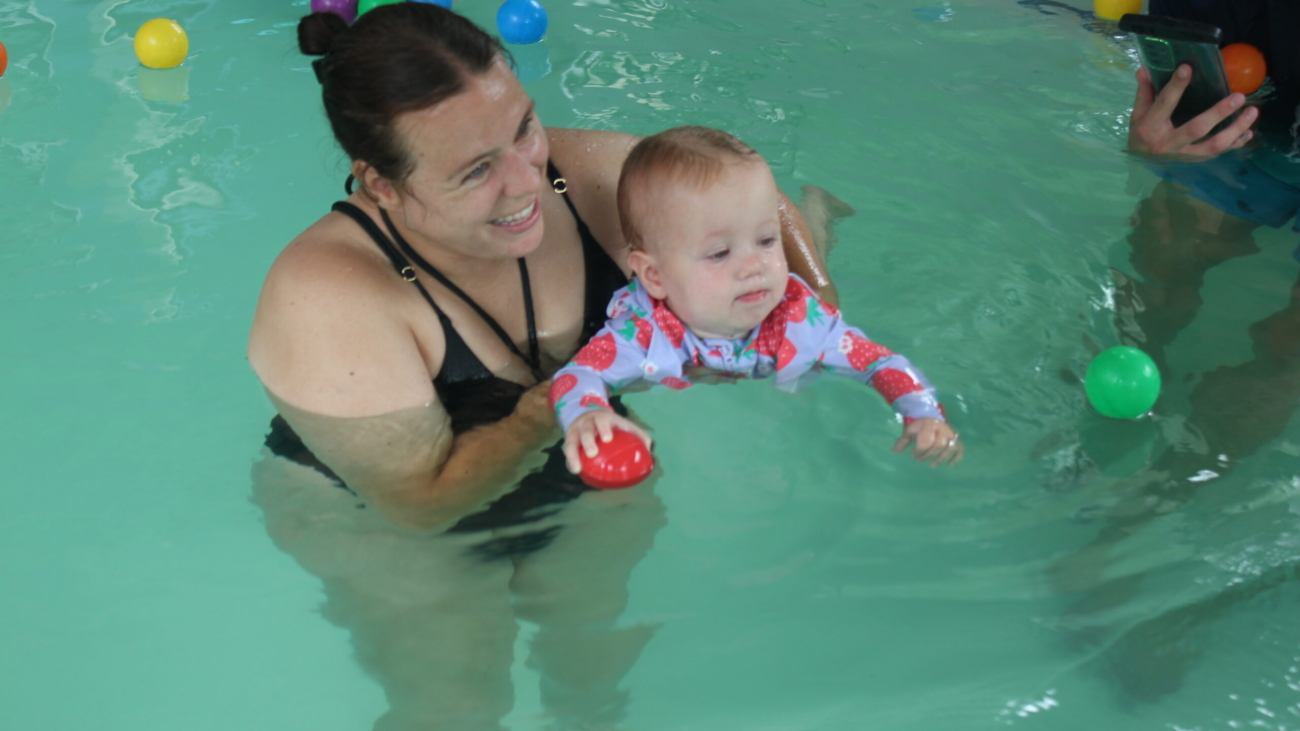
At Angel Fish, we offer specialized Mom and Me lessons designed for babies as young as six months old. These classes provide a gentle and nurturing environment where little ones can explore the water alongside their parents. Not only do these lessons help babies develop essential swimming skills, but they also strengthen the bond between parent and child through shared experiences in the pool.

One of the most rewarding aspects of our Moms and Bubs program is watching the transformation that takes place. Babies who may initially be hesitant about water soon become comfortable and excited, splashing, kicking, and even floating with ease. Parents often tell me how amazed they are by their child’s progress and how these lessons have given them peace of mind knowing that their little one is becoming water-safe.

Our goal at Angel Fish is to ensure that every child learns to swim in a fun, supportive, and structured environment. We are committed to making swimming a skill for life, starting from infancy. By introducing children to the water early, we empower them with confidence, coordination, and most importantly, the ability to stay safe in and around water.

If you’re a parent considering when to start swimming lessons for your child, I encourage you to begin as early as possible. The benefits are endless, and at Angel Fish, we’re here to guide you and your little one every step of the way. Let’s make water safety a priority and give our children the gift of swimming!

Beyond the safety and developmental benefits, swimming also plays a vital role in a child’s overall well-being. It helps with social skills, as children interact with peers in a structured yet playful environment. They learn to listen, follow instructions, and build resilience as they tackle new challenges in the water.

Moreover, swimming promotes a healthy lifestyle from a young age. In today’s world, where screen time often takes priority over physical activity, swimming provides an engaging way for kids to stay active, improve their cardiovascular health, and build endurance. Developing a love for swimming early on often translates into a lifelong appreciation for fitness and wellness.

For parents who may feel apprehensive about introducing their little ones to water, our expert instructors at Angel Fish are trained to create a stress-free and enjoyable learning experience. We tailor each lesson to accommodate the needs of every child, ensuring they progress at a comfortable pace.

Investing in swimming lessons is one of the greatest gifts you can give your child. Not only does it equip them with essential survival skills, but it also lays the foundation for a healthy and active lifestyle. At Angel Fish, we take pride in being part of each child’s swimming journey, making sure that they grow up with confidence in the water and a deep appreciation for swimming.

Let’s work together to create a generation of strong, happy, and water-safe swimmers!

8 Activities You Can Do in the Bathtub to Help Your Baby Learn to Swim Faster

  1. Blow Bubbles – Teach your baby to blow bubbles in the water by demonstrating yourself. You can also put a straw in the water and let your child blow bubbles through it, making it a fun and engaging activity that prepares them for controlled breathing in swimming.
  2. Back Float – Gently support your baby’s head and back as they lie on the water. To encourage calmness and focus, place stickers on the ceiling of your bathroom and tell your child to look at them while floating. This helps them get used to having their ears in the water and promotes relaxation.
  3. Submersion – Use gentle cues to prepare your baby for brief submersions. Place stickers at the bottom of the bathtub and let your child go underwater to peel them off. This helps them learn breath control and reduces fear of being underwater.
  4. Splashy Toes – Encourage your baby to kick their feet in the water. Adding bubble bath to the water makes this activity even more exciting as they watch the bubbles move with their kicks, strengthening their leg muscles and reinforcing the kicking motion used in swimming.
  5. Reach and Grab – Place a floating toy in front of your baby and encourage them to reach for it. This helps with arm coordination and gets them used to moving their arms in the water.
  6. Pour and Play – Use cups to pour water over their hands and arms, teaching them the sensation of water movement. This builds sensory awareness and helps with water familiarity.
  7. Side-to-Side Swaying – Hold your baby securely and gently sway them side to side in the water. This mimics the movement of swimming and helps develop their balance.
  8. Face Water Dribbles – Let water gently trickle down their face using your hands or a cup. This helps them become comfortable with water on their face, reducing fear of getting splashed.

These simple yet effective activities will build your baby’s confidence in water and accelerate their swimming progress. With consistent practice, they will be well on their way to becoming a confident little swimmer!