boy-405002_1280

How Swim Lessons Shape Bravery, Resilience, and Self-Belief

For many children, swimming doesn’t start with fun — it starts with fear.

Fear of water on the face.
Fear of letting go.
Fear of sinking.
Fear of the unknown.

And yet, within that fear lies something powerful. Because swimming isn’t just about learning a skill — it’s about learning courage.

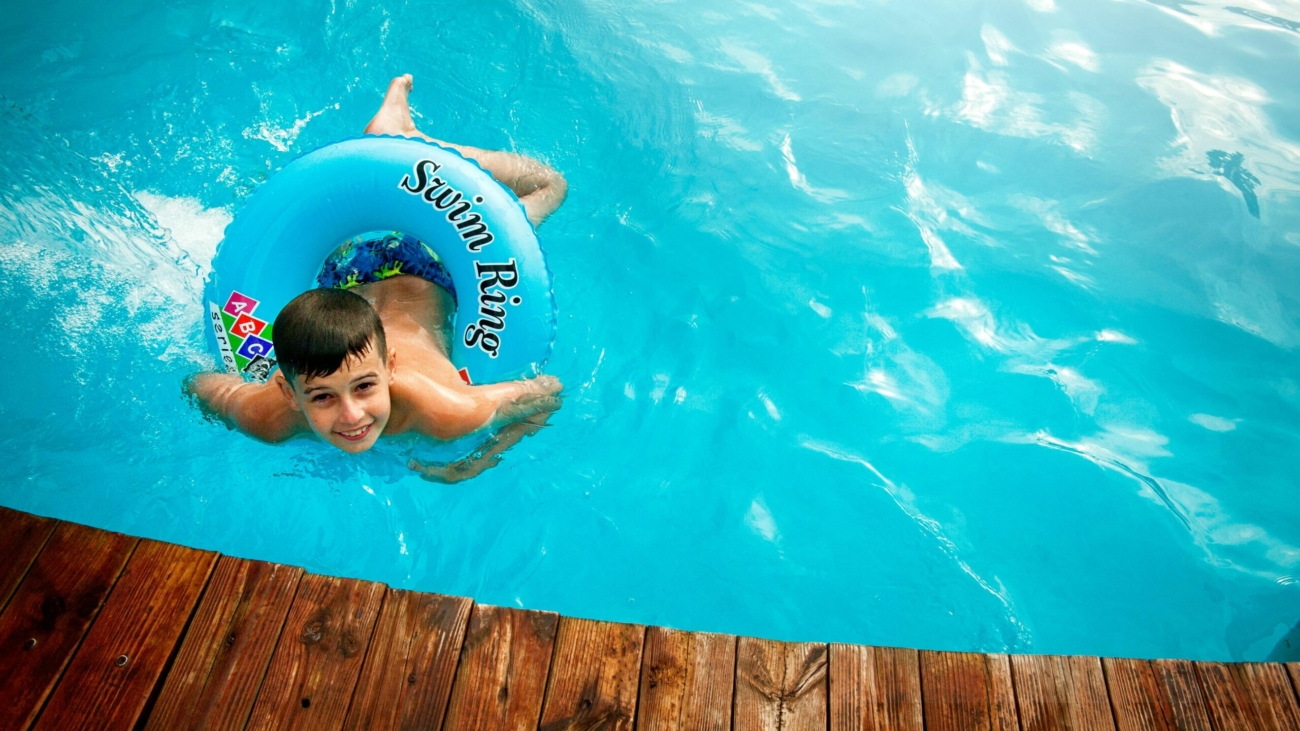
At Angel Fish Swim School, we see it every day: children who arrive unsure and leave standing taller, smiling brighter, and believing in themselves in ways that reach far beyond the pool.

💙 Fear Is Not Failure — It’s the Beginning

Fear in the water is natural. Water is unfamiliar, sensory-rich, and unpredictable.

What matters is not removing fear — but teaching children how to move through it safely.

When a child learns to:

  • Take a breath instead of panicking
  • Float instead of fighting
  • Trust instead of resisting

They are learning emotional regulation, not just swimming.

🌊 Bravery Is Built in Small Moments

True bravery isn’t dramatic. It’s quiet and personal.

In swimming lessons, bravery looks like:

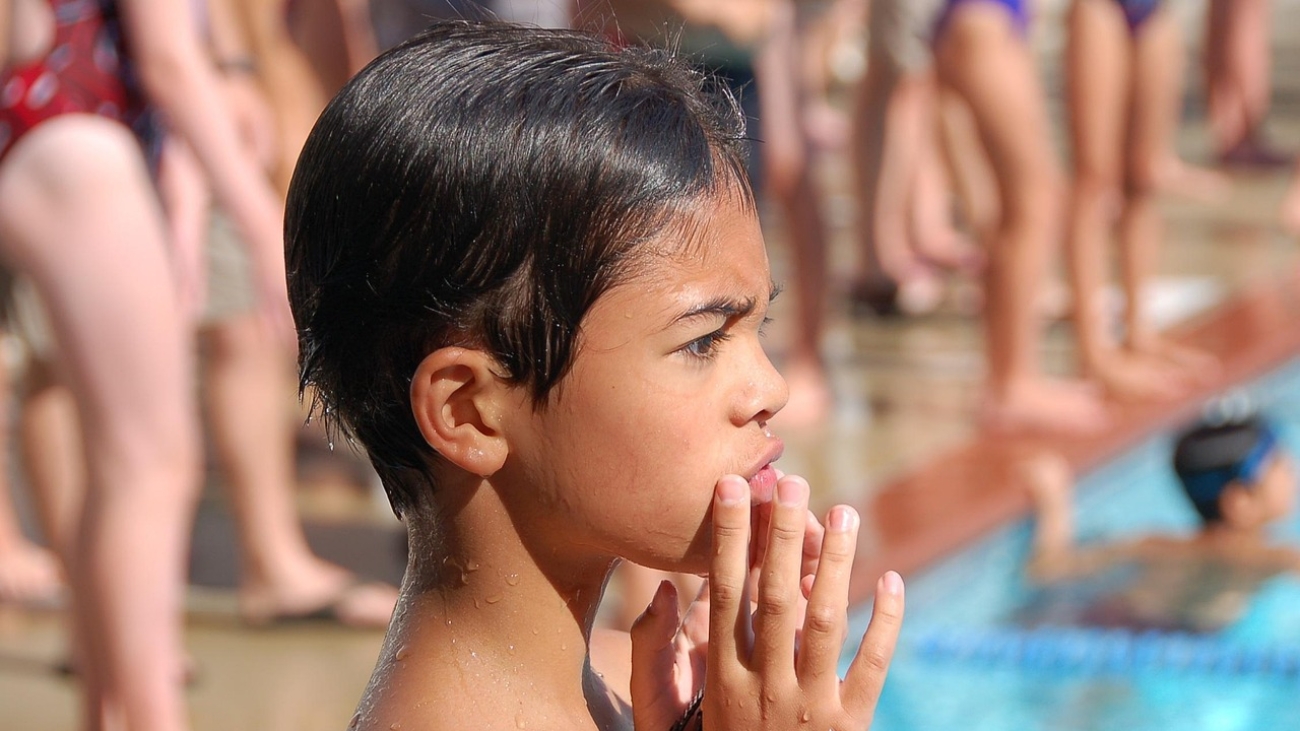
  • Putting a face in the water for the first time
  • Letting go of the instructor’s hand
  • Floating calmly for one extra second
  • Trying again after a wobble

Each small win rewires the brain to say:
“I can do hard things.”

🏊‍♀️ Resilience Grows with Every Splash

Swimming teaches children that progress isn’t instant — and that’s okay.

They learn:

  • Mistakes are part of learning
  • Effort matters more than speed
  • Trying again is a strength

When a child slips under and resurfaces smiling, they’re learning resilience — the ability to recover, adapt, and keep going.

🌟 Self-Belief Forms When Children Feel Safe

Confidence doesn’t come from being pushed — it comes from being supported.

When children feel:

  • Emotionally safe
  • Encouraged rather than pressured
  • Seen and celebrated

They begin to trust themselves.

That belief doesn’t stay in the pool. It shows up in:

  • The classroom
  • Social situations
  • New challenges
  • Everyday life

💦 Why Swimming Is a Life Skill — Not Just a Sport

Swimming teaches children that:

  • Calm leads to control
  • Breathing brings clarity
  • Trust creates freedom

These lessons mirror real life.

A child who learns to stay calm in water learns to stay calm in difficulty. A child who learns to float learns that sometimes, the best thing to do is pause and breathe.

💙 The Parent’s Role in the Journey

Parents are a child’s emotional anchor.

Your support matters when you:

  • Celebrate bravery over perfection
  • Trust the process
  • Stay calm poolside
  • Speak positively about lessons

Your belief in your child helps them believe in themselves.

🌊 From Fear to Fun — and Beyond

The moment fear turns into fun is magical.

It’s the moment a child realises:
“I’m not just safe — I’m capable.”

Swimming doesn’t just create swimmers.
It creates confident, resilient, brave humans.

And that is a gift that lasts a lifetime.

💌 Final Thought

Every brave splash is a step toward self-belief.
Every calm float is a lesson in trust.
Every smile in the water is proof that fear can become fun.

We’re honoured to be part of your child’s journey — in the pool and beyond. 🌊✨
pexels-freestockpro-12061244

Why January Is the Most Important Month for Building Water Confidence

January often gets misunderstood.

Many parents see it as a “warm-up month” or assume progress will only really start later in the year. In reality, January is the most powerful month for building true water confidence — the kind that keeps children safe, calm, and capable long-term.

At Angel Fish Swim School, we don’t rush January. We respect it. Because what’s built now becomes the foundation for everything that follows.

💙 Confidence Comes Before Technique

Before a child can kick strongly, glide smoothly, or master strokes, they must feel safe.

Water confidence is not about bravery alone — it’s about:

  • Trusting the water
  • Trusting their body
  • Trusting their instructor
  • Trusting the environment

January is when these layers of trust are rebuilt after the holiday break. When confidence is secure, technique develops naturally and more effectively.

🌊 Why January Matters So Much

After time away from lessons, even strong swimmers may feel unsure. This isn’t regression — it’s reconnection.

January allows us to:

  • Reset expectations
  • Rebuild calm breathing and floating
  • Strengthen emotional regulation in water
  • Reinforce positive water experiences

Children who feel rushed or pressured in January often carry anxiety forward. Children who feel supported build confidence that lasts all year.

🏊‍♀️ Floating, Breathing & Calm = Real Safety

The most important swimming skills are often the quiet ones.

In January, we focus on:

  • Floating calmly on the back and tummy
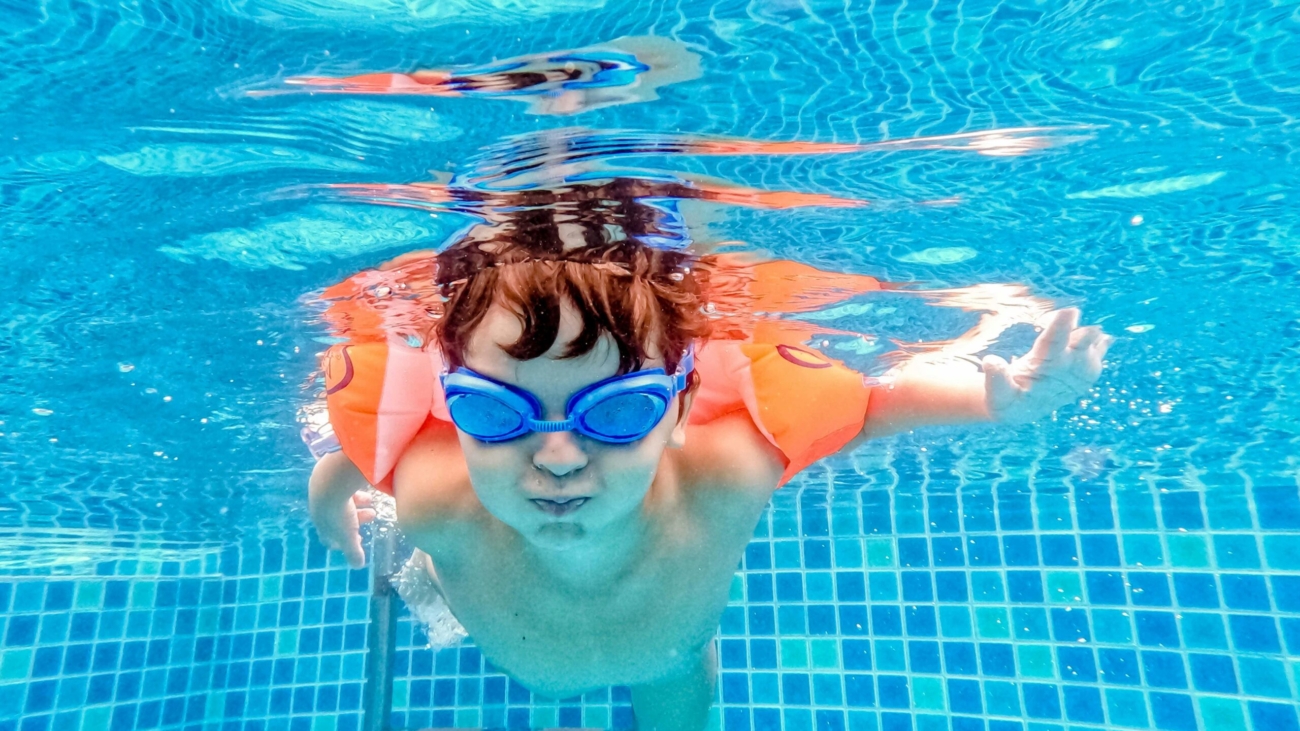
  • Controlled breathing and submersions
  • Relaxed body positioning
  • Gentle movement and balance

These skills are not flashy — but they are life-saving.

A confident swimmer is not the fastest swimmer. A confident swimmer is the one who stays calm when something unexpected happens.

🌟 Small Wins Create Big Breakthroughs

January progress may look subtle, but it’s powerful.

It looks like:

  • A child staying calm on their back
  • A longer breath underwater
  • Letting go of the wall
  • Smiling instead of panicking

These moments create neurological safety. Once the brain feels safe, learning accelerates — often dramatically.

💦 Why Pressure Slows Progress

Pushing for speed, distance, or strokes too early can create resistance and fear.

Children learn best when:

  • They feel emotionally secure
  • They are encouraged, not compared
  • Mistakes are allowed
  • Effort is celebrated

January is the month where patience pays off. The calm you build now becomes the confidence you’ll see in spring and summer.

💙 How Parents Can Support January Confidence

Parents play a key role in setting the tone.

Helpful reminders:

  • Avoid asking “Are you scared?”
  • Celebrate bravery, not perfection
  • Speak positively about lessons
  • Trust the process and your instructors

Your calm confidence helps your child feel safe enough to try.

🌊 The Ripple Effect of a Strong January

Children who build confidence in January:

  • Learn skills faster later in the year
  • Retain techniques longer
  • Handle challenges with resilience
  • Enjoy swimming more

This is why January isn’t just important — it’s essential.

💌 Final Thoughts

January is not about catching up.
It’s about settling in, slowing down, and reconnecting.

When we honour this month and focus on confidence first, we give children the greatest gift: a lifelong, joyful relationship with water.

Here’s to calm starts, brave moments, and a year filled with confident splashes. 🌊✨

pexels-freestockpro-1227571

Welcome Back to the Water

Helping Your Child Transition Smoothly After the Holiday Break

The holiday season is filled with sunshine, family time, late bedtimes, and relaxed routines — and while it’s wonderful for the soul, it can sometimes make returning to swim lessons feel a little… wobbly.

If your child seems hesitant, emotional, or “a bit rusty” in the water after the break, take a deep breath — this is completely normal. And the good news? Confidence returns faster than you think.

At Angel Fish Swim School, January isn’t about rushing skills. It’s about rebuilding trust, calmness, and joy in the water — one gentle splash at a time.

💙 Why Children May Feel Different After a Break

Even confident swimmers can experience a temporary setback after time away. This doesn’t mean they’ve forgotten how to swim — it simply means their body and brain are reconnecting.

Common post-holiday reactions include:

  • Clinginess or hesitation at the pool
  • Reluctance to submerge or float
  • Emotional moments before lessons
  • Needing extra reassurance

Swimming requires emotional regulation, sensory comfort, and trust — all things that need a little time to switch back on after a long break.

🌊 What We Focus on First When Swimmers Return

January lessons are carefully structured to help children feel safe and successful again.

Our priorities include:

  • Floating and relaxation
  • Breath control and gentle submersions
  • Calm body positioning
  • Rebuilding positive water associations

Before speed, before strokes, before distance — confidence comes first.

Once a child feels safe again, skills return naturally.

🏊‍♀️ How Parents Can Support the Transition

You play a powerful role in how your child experiences their return to swimming. Small shifts in language and expectations make a big difference.

✔ What Helps:

  • Speak positively about lessons beforehand
  • Use encouraging phrases like:
    “Your body remembers how to swim.”
    “You’re safe and capable in the water.”
  • Celebrate effort, not outcomes
  • Keep pool days calm and pressure-free

❌ What to Avoid:

  • Asking “Are you scared?”
  • Comparing progress to other children
  • Rushing or forcing submersions
  • Showing worry or frustration poolside

Children borrow confidence from the adults around them — when you’re calm, they feel safe.

🌟 Progress After a Break Looks Different

Progress in January may not look like faster laps or new strokes — and that’s okay.

It often looks like:

  • A relaxed face in the water
  • A longer float
  • A brave breath underwater
  • A smile after a moment of uncertainty

These small moments are powerful foundations for future growth.

💦 Trust the Process

One of the most important things to remember is this:
skills return quickly once confidence is restored.

A child who feels safe will:

  • Float more easily
  • Kick more strongly
  • Submerge more willingly
  • Learn faster and retain skills longer

This is why we move gently, intentionally, and joyfully at the start of the year.

💙 A Final Word to Parents

Returning to swim lessons after a break isn’t about picking up where you left off — it’s about reconnecting with the water in a way that feels safe and empowering.

Every child moves at their own pace. Every brave step counts. And every calm, positive experience builds a stronger swimmer — both in the pool and in life.

We’re so happy to welcome you back to the water.
Here’s to a year filled with confidence, courage, and happy splashes. 🌊✨