
glasses-6276226_1280

The Power of Play in Swim Lessons

How Games and Giggles Help Children Master Swim Skills Without Even Realizing It

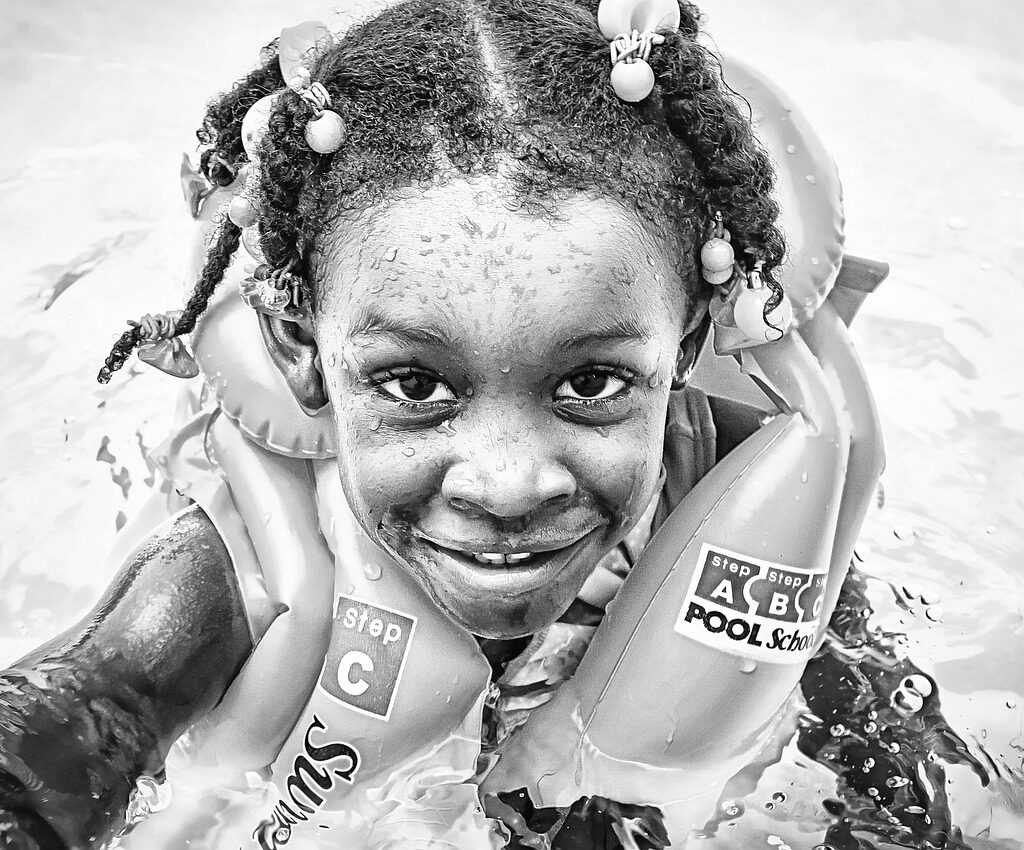
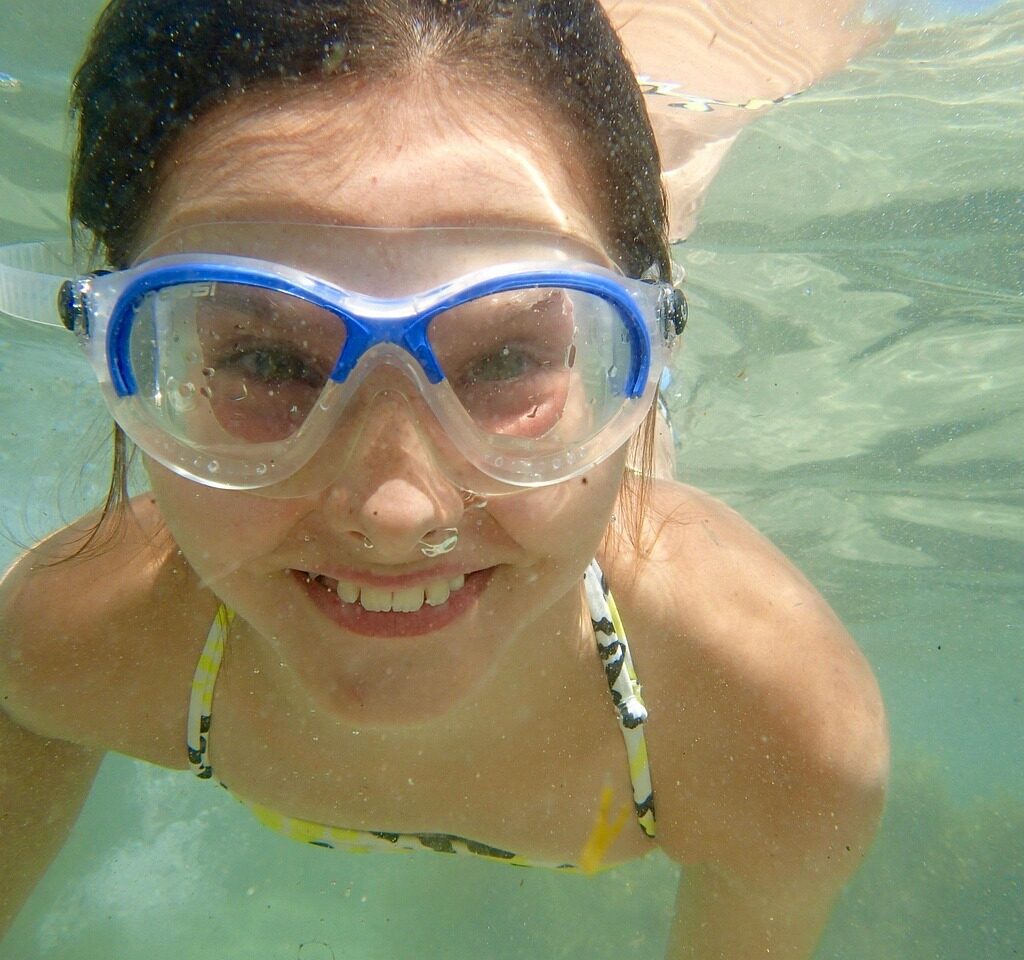
If you’ve ever watched a group of children in a swim class, you’ll notice something magical: they’re smiling, laughing, splashing, and playing—and at the same time, they’re learning some of the most important life-saving skills they’ll ever need.

That’s the power of play.

Swimming lessons don’t have to feel like hard work or strict drills. In fact, research and experience show that children learn faster, retain more, and feel more confident when lessons are filled with fun and games. Let’s dive into why play is so powerful in the pool.


1. Play Makes Learning Natural

Children are wired to learn through play. It’s how they explore the world, solve problems, and build confidence. In swim lessons, playful activities turn intimidating skills into exciting challenges.

  • Blowing bubbles becomes a dragon game.
  • Floating becomes pretending to be a starfish.
  • Kicking turns into a race to chase after toy fish.

Without even realizing it, children are practicing breath control, buoyancy, and propulsion—all through giggles and imagination.


2. Games Reduce Fear and Build Confidence

For many children, water can feel scary at first. Play takes away that fear. When kids are splashing through a game of “shark and minnows” or collecting rings from the bottom of the pool, they’re too busy having fun to worry about being in the water.

Play creates positive emotions, and those happy memories become tied to swimming. The result? A child who looks forward to lessons instead of dreading them.


3. Play Strengthens Physical Skills

Every game in the water has a purpose:

  • Kicking competitions build strong legs.
  • Ring dives improve breath-holding and underwater swimming.
  • Relay races encourage stamina and teamwork.
  • Floating games help children relax and trust the water.

What looks like fun is actually carefully designed skill development. Play is the perfect disguise for practice!


4. Play Boosts Focus and Retention

Sitting still and following instructions can be tough for kids, especially younger ones. By weaving games into lessons, instructors keep children engaged, focused, and eager to participate.

When kids are laughing, their brains are releasing feel-good chemicals that help them absorb and remember what they’re learning. A game of “Simon Says” in the pool isn’t just fun—it’s teaching children to listen, respond quickly, and apply swimming skills in playful ways.


5. Play Builds Social Skills and Teamwork

Swimming may seem like an individual skill, but lessons are often full of group activities. Through play, children learn to:

  • Take turns.
  • Cheer each other on.
  • Share victories and overcome challenges together.

This sense of teamwork builds confidence, encourages encouragement, and helps shy swimmers feel included and supported.


6. Play Prepares Children for Real-Life Water Situations

The ultimate goal of swim lessons is safety. Through play, children can practice life-saving skills in a safe, low-pressure way:

  • Pretending to “rescue” floating toys teaches safe reaching and pulling techniques.
  • Jumping games prepare kids for safely entering and exiting pools.
  • Floating games mimic survival skills if they ever find themselves in deep water.

What feels like play in the pool is actually preparation for real-world safety.


Final Splash

At the heart of every great swim lesson is a simple truth: when children are having fun, they are learning their best. Play transforms the pool into a place of joy, confidence, and discovery.

So the next time you hear giggles echoing across the water, know that behind those games and splashes, important swim skills are blossoming. With each laugh, children are one step closer to becoming safe, confident, and lifelong swimmers.

Because in swimming, play isn’t just fun—it’s powerful.
child-215313_1280

Spring into Swimming Confidence

Why Spring is the Best Season for Building Water Confidence

When most people think about swimming, their minds jump straight to summer—long sunny days, pool parties, and beach holidays. But here’s a little secret: if you want your child to truly shine in the water, spring is the season that makes the biggest splash!

Just like flowers bloom and animals come out of hibernation, spring is the perfect time for young swimmers to grow, learn, and blossom into confident little water lovers.

Let’s dive into why springtime swimming lessons set the stage for a fun, fearless, and unforgettable summer.


1. The Perfect Weather for Learning

Spring brings mild, pleasant temperatures that make swimming lessons so much easier for kids (and parents). The air is warming up, and the water feels inviting without the scorching heat of midsummer.

Comfort matters—especially for beginners. Children who feel physically at ease in the water are more likely to relax, focus, and enjoy the learning process instead of feeling rushed or overwhelmed.


2. Get Ahead of the Summer Rush

It’s no surprise that summer swim classes are always in high demand. Pools fill up, instructors are booked solid, and parents sometimes struggle to find a spot.

By starting in spring, your child can:

  • Secure a space with the best instructors.
  • Progress at a steady pace without overcrowded classes.
  • Enter summer already swimming with confidence instead of just starting from scratch.

It’s like planting seeds early—you’ll enjoy the rewards when summer comes!


3. Building Momentum (and Keeping It!)

Swimming is a skill that develops best with consistency. Imagine taking long breaks—like stopping lessons over winter—only to restart in summer. Kids often need time to “re-learn” what they forgot.

By enrolling in spring lessons, your child’s progress keeps rolling forward. Every week builds on the last, so by the time summer arrives, they’re not just water-safe—they’re strong, confident swimmers ready for fun.


4. Growing Confidence, Lesson by Lesson

Spring is the season of growth, and swimming is no different. Each lesson is an opportunity for children to:

  • Overcome fears of water.
  • Master new skills like floating, kicking, and breath control.
  • Develop trust in their instructors and themselves.

Confidence doesn’t happen overnight—it blooms slowly, just like spring flowers. With gentle, regular practice, even the most cautious child can transform into a happy, confident swimmer.


5. Setting the Stage for Summer Fun

Here’s the best part: swimmers who start in spring don’t waste summer playing catch-up. Instead, they’re ready to dive straight into the good stuff—whether it’s joining in pool games, going down water slides, or enjoying safe splashing at the beach.

Parents get peace of mind knowing their children are not only having fun but also equipped with life-saving water safety skills.


6. Extra Benefits Beyond the Pool

Swimming isn’t just about splashing around. It also:

  • Builds physical strength, flexibility, and coordination.
  • Teaches discipline, patience, and perseverance.
  • Improves focus and listening skills that transfer to school and everyday life.
  • Provides a healthy outlet for energy after being cooped up indoors during winter.

Springtime lessons mean your child enters summer healthier, stronger, and more confident—in and out of the pool.


Final Splash: Why Wait?

Spring is nature’s way of reminding us that growth takes time, patience, and nurturing. The same goes for swimming. By starting lessons now, you’re giving your child the head start they need to feel safe, confident, and excited about swimming.

Don’t wait until the summer heat is here, and the pools are full spring into swimming confidence today and watch your child blossom into a strong, capable swimmer ready for endless summer fun!

little-girl-7190572_1280

The Science of Floating

Floating may look like magic to young swimmers, but it’s really science at work. Understanding how and why our bodies can float helps children feel more confident in the water and shows parents why floating is one of the most important safety skills in swimming.

Buoyancy: The Key to Floating

The main reason we can float is buoyancy. When you’re in water, your body displaces (pushes aside) some of the water around you. Water then pushes back with an upward force called buoyant force. If that force is equal to or greater than your body weight, you float.

This is why objects lighter than water, like a beach ball, float easily, while heavier objects sink. Humans are somewhere in between—we can float if we learn how to position our bodies correctly.

Body Composition Matters

Our ability to float also depends on body composition. Muscle and bone are denser than water, while fat is less dense and more buoyant. This means some people float more easily than others. That’s perfectly normal! Learning technique can help everyone, no matter their body type.

Breathing Helps You Stay Up

Lungs act like natural flotation devices. When you take a deep breath and fill your lungs with air, your body becomes less dense, helping you rise to the surface. Exhaling makes you denser, which is why you may sink a little when you breathe out. This is why instructors encourage swimmers to keep calm, breathe deeply, and relax while floating.

Relaxation is the Secret

Tension in the body makes floating harder. Stiff arms, kicking legs, or tight muscles can cause you to sink. Relaxing your body, spreading your arms and legs, and letting your face rest gently in the water allows the buoyant force to do its job. That’s why floating is as much about trusting the water as it is about science.

Why Floating is a Life-Saving Skill

Floating isn’t just a neat trick—it’s a survival tool. In an emergency, knowing how to float can save lives. By staying calm, breathing, and lying back on the water, swimmers can conserve energy and keep themselves safe until help arrives.

Final Thoughts

The science of floating combines buoyancy, body composition, breathing, and relaxation. Once children understand these principles, floating feels less scary and more natural. That’s why swimming lessons always emphasize floating early—it builds both confidence and safety.

girl-953414_1280

Why Parent Involvement Matters in Swim Lessons

When it comes to swim lessons, many parents assume the learning happens strictly between the instructor and the child. While professional coaching is crucial, parent involvement plays a powerful role in shaping a child’s swimming journey. In fact, children thrive when parents are active partners in the process—whether that means encouragement on the sidelines, reinforcing skills at home, or simply showing consistent interest.

Building Confidence Through Support

For young swimmers, the presence of a supportive parent can make all the difference. Some children experience anxiety in the water, especially during their first lessons. A calm, encouraging parent provides reassurance, helping the child feel safe and motivated. Even small gestures—smiling, clapping, or offering a thumbs-up—build confidence and allow children to associate swimming with positive emotions.

Reinforcing Skills Beyond the Pool

Learning doesn’t stop when the lesson ends. Parents who practice water skills with their children outside of class strengthen what was taught in the pool. Whether it’s practicing blowing bubbles during bath time, kicking in a backyard pool, or reviewing safety rules together, these little moments reinforce lessons and speed up progress.

Creating a Culture of Water Safety

Water safety is a lifelong skill, not just a class activity. When parents are involved, children see that swimming isn’t just about fun—it’s also about responsibility. Parents can model safe behaviors, such as entering the pool feet-first, wearing proper flotation devices when needed, and always swimming with supervision. This consistency helps children build habits that keep them safe around water.

Strengthening the Parent-Child Bond

Swim lessons are an opportunity for shared experiences. Celebrating milestones together—like the first time your child floats independently or swims across the pool—creates memories that strengthen family bonds. These shared victories build trust and show children that their efforts are noticed and valued.

Encouraging Lifelong Fitness

When parents show enthusiasm for swimming and an active lifestyle, children are more likely to embrace fitness long-term. By being present, supportive, and even participating in the water when appropriate, parents demonstrate that swimming is not only a skill but also a fun and healthy way to stay active.

Final Thought

Parent involvement in swim lessons goes far beyond simply bringing a child to class. It’s about being a partner in their growth, safety, and confidence. When parents are engaged, children not only learn to swim more effectively—they also develop a lifelong respect for water and the joy of swimming.

ai-generated-8916316_1280

The Secret to Strong Kick Techniques

When it comes to swimming, many people focus on arm movements and forget that the kick is the powerhouse of speed, balance, and efficiency. Whether you’re a beginner learning to float or a competitive swimmer chasing faster times, mastering your kick can completely transform your swimming.

Why the Kick Matters

  • Propulsion: A strong kick pushes you forward, reducing drag and keeping momentum.
  • Balance: Your legs help keep your body horizontal, preventing your hips from sinking.
  • Endurance: A good kick lets you conserve energy for arms and breathing.

Common Kick Mistakes

  1. Kicking from the knees – This wastes energy and creates drag.
  2. Overly big kicks – Wide, splashy kicks slow you down instead of propelling you forward.
  3. Stiff ankles – Tight ankles act like brakes in the water.
  4. Not kicking enough – Some swimmers rely too heavily on arms, letting their legs drag behind.

The Secret: Kick from the Hips

The biggest secret to an effective kick is simple:
👉 Kick from your hips, not your knees.

Think of your whole leg as one fluid lever, with the movement starting at your hip. Your knees will bend slightly, but the power and rhythm come from the hips and core.

Tips to Build a Stronger Kick

  • Point your toes: This reduces drag and lets water flow smoothly over your feet.
  • Small and steady: Aim for quick, controlled kicks instead of big splashes.
  • Engage your core: A tight core supports hip-driven movement.
  • Use a kickboard (sometimes): Great for isolating your legs, but also practice without it to keep a natural body position.
  • Add fins: Short fins build ankle flexibility and leg strength.

Drills for Better Kicks

  • Vertical kicking: In deep water, keep your head above the surface by kicking. Forces you to engage hips and core.
  • Streamline kick on your back: Push off the wall, arms overhead, and focus on small, fast kicks.
  • Side kicking: Swim on your side with one arm extended, focusing only on leg movement.

The Payoff

Once you master hip-driven, flexible, and controlled kicking, you’ll notice:
✅ Faster swimming with less effort
✅ Better body position in the water
✅ Stronger overall endurance

Final Thought: The secret to a strong kick isn’t about power—it’s about technique, rhythm, and efficiency. Train it with intention, and your whole swim will feel smoother and faster.

pexels-dorka-fazekas-1718038-3275054

From Bathroom to Pool: The Ultimate Guide for Smooth Transitions

A Parent’s Guide to Happy Swimmers (and Less Stress!)

Brought to you by Angel Fish Swim School

At Angel Fish Swim School, we know that swimming is about more than just strokes and splashes—it’s about creating a positive, fun-filled experience from the moment your child arrives to the moment they dry off. And one of the most overlooked (but super important!) parts of a smooth swim session? The trip from the bathroom to the pool.

Whether it’s a potty-training toddler or a confident little swimmer, managing bathroom breaks is a big deal. Let’s dive into some tried-and-tested tips to help your child make the bathroom-to-pool transfer calm, confident, and clean!


1. Make Bathroom Time a Non-Negotiable Start

Before the swimsuit goes on and excitement takes over, help your child get into the habit of using the toilet first. This small step makes a huge difference during lessons.

At Angel Fish, we encourage all our little swimmers to take a bathroom break before class starts. It reduces mid-lesson interruptions, keeps the pool clean, and helps your child focus better without the discomfort of a full bladder.

👶 For younger swimmers: Use gentle, positive language like “Let’s go tinkle so your tummy feels good while swimming!”
👧 For older kids: Make it part of their independence routine: “Grab your towel, goggles, and take a quick toilet break—like a pro!”


2. Smart Swimwear = Smooth Transitions

Struggling with stuck swimsuits in a public bathroom? We’ve all been there! Choose swimwear that’s easy to take off and put on—especially for bathroom trips.

Recommended by our Angel Fish team:

  • Girls: Two-piece sets or tankinis (especially for potty-training kids)
  • Boys: Elastic waistbands or Velcro closures for easy slips
  • Toddlers: Snap-bottom suits or swim nappies with easy side fasteners
  • Babies: Use approved swim nappies and bring extras just in case!

3. Pack a “Bathroom Buddy Kit”

At Angel Fish, we believe in being prepared but playful. Keep a small kit in your swim bag for bathroom breaks:

👜 What to include:

  • Small hand towel
  • Extra swimwear or swim nappy
  • Wet wipes or flushable wipes
  • Hand sanitizer
  • A small bag for wet or soiled items
  • Spare pair of undies or shorts

Having this ready saves time and prevents the “uh-oh” moment in the change room.


4. Foot Safety First

The floor between the bathroom and the pool can be slippery—especially with excited little feet rushing toward fun!

👟 Tip: Invest in non-slip flip-flops, Crocs, or pool shoes. These help prevent slips, protect from germs, and give your child the confidence to walk safely between spaces. At Angel Fish, we often remind swimmers: “Walk like penguins, not cheetahs!”


5. Teach Bathroom Confidence

Bathroom visits at a public pool can feel overwhelming for some children—especially if they’re used to mom or dad being nearby.

Encourage independence by practicing at home:

  • Practice pulling swimwear up and down quickly
  • Teach how to wipe properly
  • Practice hand-washing routines
  • Role-play using public restrooms together

Our Angel Fish instructors are always nearby and happy to help if a swimmer needs to quickly pop to the toilet during class. Just let us know, and we’ll handle it with care and kindness.


6. Be Clear About Pool-Time Rules

Sometimes kids get so excited about the pool that they forget to mention that they need to go until it’s too late. Talk to them about listening to their bodies and asking a grown-up for help before it becomes urgent.

💬 A good script:
“Your teacher will be so proud if you let her know if you need the bathroom. That’s being responsible!”

At Angel Fish, we’re proud to teach water safety—but also body awareness, routine, and independence.


7. Praise Good Habits

Little swimmers thrive on encouragement! If your child remembers to go before their lesson or handles the bathroom confidently, celebrate the win.

🎉 Try:

  • “I saw how well you handled the bathroom—so grown up!”
  • “You were ready for swimming like a champion today!”

At Angel Fish, we believe every small success builds big confidence—both in and out of the water.


8. Expect (and Prepare for) Accidents

Even the best-prepared swimmer can have an accident—and that’s okay. What matters most is your calm, loving reaction. Pack a backup outfit or swimsuit and handle it quietly and reassuringly.

We’re here to support you. No judgment, no fuss—just warm water, warm hearts, and happy swimmers.


💙 At Angel Fish, We’re in This Together

We know that every step of your child’s swimming journey matters—even the ones from the bathroom to the pool! These little routines build responsibility, safety, and confidence for a lifetime of swimming success.

Thank you for trusting us with your precious little fish. Let’s keep making each lesson smoother, safer, and more joyful—one bathroom break at a time!

colombian-1114605_1280

Winter Swimming Myths Busted!

Don’t Let Cold Weather Stop Your Little Fish

By Angel Fish Swim School

At Angel Fish Swim School, we believe swimming is a year-round skill, not just a summer activity. But every winter, we hear the same concerns from well-meaning parents: “Won’t my child get sick?” “Isn’t the water too cold?” “Shouldn’t we take a break until spring?”

It’s time to set the record straight. ❄️🧣

Let’s bust some common winter swimming myths and explain why keeping your child in the water year-round is one of the best decisions you can make.


❌ Myth 1: “Swimming in winter will make my child sick”

Truth: You catch colds from viruses—not from cold weather or cold water.
Our pool is heated to a warm, comfortable temperature all year round, and our facilities are designed to ensure a safe, cozy transition before and after lessons.

✔️ Dry off thoroughly
✔️ Bundle up after class
✔️ Keep their immune system strong with rest and healthy food

If your child is otherwise healthy, winter swimming is perfectly safe—and beneficial!


❌ Myth 2: “It’s too cold for little ones to swim”

Truth: Our swim school is built with little swimmers in mind!
At Angel Fish, the pool is a warm hug—even on the chilliest day. We use temperature-controlled water, warm change rooms, and our instructors keep lessons active to help swimmers stay warm and moving.

Bonus: Kids build cold tolerance and resilience by staying active in different seasons!


❌ Myth 3: “We should just wait for spring to continue lessons”

Truth: Taking a break sets your child back.
Consistency is key in swimming. When kids take long breaks during winter, they lose skills, confidence, and rhythm. By spring, they often have to relearn what they knew before.

Keeping up lessons in winter means:

  • Stronger swim skills by summer
  • Ongoing water safety awareness
  • Improved confidence and coordination
  • Less anxiety about getting back in the water

❌ Myth 4: “Winter is the off-season for swimming”

Truth: There is no off-season for water safety.
Drowning risks don’t disappear in winter. Bathtubs, ponds, holiday resorts, and even backyard pools can be dangerous year-round. Continued swimming lessons help your child develop life-saving skills that stick—regardless of season.

At Angel Fish, we say: “Safety doesn’t hibernate.” 💙


❌ Myth 5: “It’s not worth the effort in winter”

Truth: Winter swimming builds discipline, resilience, and routine.
Yes, getting out the house when it’s chilly requires a bit more motivation. But it also teaches kids the value of commitment and courage. And guess what? The giggles, fun, and pride after a lesson are just as warm in winter!

Our families tell us all the time:

“We almost skipped today… but we’re so glad we didn’t!”


❌ Myth 6: “My child will stay warmer skipping lessons”

Truth: Physical activity helps the body stay warm.
Swimming keeps the blood circulating and the body moving. It actually helps regulate body temperature more effectively than sitting indoors all day. It’s great for mood, energy, sleep, and immunity—especially during gloomy winter months.


❄️ The Angel Fish Winter Promise

We’re here to make winter swimming comfortable, joyful, and safe. Our warm pool, caring instructors, flexible make-up lesson policy, and supportive swim community mean there’s no reason to stop swimming just because the weather changed.


🐠 So, what can YOU do?

  • Keep showing up: Every lesson counts.
  • Layer up: Warm towel, dry clothes, hoodie and socks after swimming.
  • Stay positive: Your energy sets the tone—kids follow your lead.
  • Celebrate commitment: Your child is doing something BRAVE!

💬 Hear It From Our Parents

“I thought we’d take a break for winter, but my child begged to keep going! And I’m so glad we did—his confidence soared.”
— Angel Fish Parent

“The pool is so warm! It’s honestly the highlight of our week.”
— Angel Fish Mom


Keep the Momentum Going

Swimming is not just a skill—it’s a life skill. So this winter, let’s keep the rhythm, build the resilience, and raise water-safe, confident swimmers together.

Stay warm, stay safe, and keep splashing 💙

pexels-fiifi-boateng-3570312-18608516

How to Motivate a Reluctant Swimmer in Winter

A Guide for Parents from Angel Fish Swim School

Because confidence doesn’t take a season off.

At Angel Fish Swim School, we understand that winter can bring more than just cold weather—it can bring reluctance, resistance, and a sudden case of “I don’t want to swim today.”

Sound familiar? You’re not alone.

When it’s chilly outside and the couch is cozy, it’s totally normal for your little swimmer to lose a bit of their splashy enthusiasm. But skipping lessons in winter can lead to lost skills and confidence—and a much tougher time getting back into the pool when summer rolls around.

So how do we keep them motivated without turning it into a battle?

Here are some gentle, effective tips to help you encourage your winter swimmer—and maybe even make cold-weather swim lessons their new favorite thing!


1. 💬 Talk About the “Why” in Kid-Friendly Words

Children are more willing to do something when they understand why it matters. Explain swimming as a superpower that gets stronger with practice—just like reading or riding a bike.

Try saying:
“Swimming in winter helps you become a stronger fish for summer!”
“The more you swim now, the better you’ll be when we go to the beach or the dam!”

Tie it to their interests—mermaids, superheroes, fish, or favorite coaches!


2. 🎯 Set Fun Goals and Rewards

Make winter swimming feel like an adventure.
Try creating a “Winter Swim Challenge” at home with stickers or stamps after each lesson. After 5 or 10 swims, they earn a small reward like a hot chocolate, a movie night, or choosing dinner.

🟦 Printable reward charts
🟦 “Chill Challenge” boards
🟦 Special badges from Angel Fish? (Let us know if you’d like us to help!)


3. 💦 Reassure Them About Warmth and Comfort

Sometimes it’s not that they dislike swimming—it’s that they’re worried about being cold. Let them know that at Angel Fish, we’ve got it covered!

🐠 Warm, heated pool
🐠 Quick, active lessons that keep them moving
🐠 Change rooms where they can bundle up fast

Let them bring a cozy towel, fluffy robe, or even a special “swim hoodie” to wear after lessons.


4. 🎵 Create a Fun Swim Day Routine

Make lesson days something to look forward to by building a little ritual around them.

✨ Sing a special song in the car
✨ Let them wear their favorite swim cap or towel
✨ Stop for a treat (warm drink, small snack) afterward
✨ Say: “Today you get to be our strong winter fish!”

Turning it into a weekly tradition adds excitement and structure.


5. 📆 Keep Consistency (But Stay Flexible)

Staying in routine helps reluctant swimmers stay engaged—but life happens. If they truly need a break or are battling a cold, that’s okay too.

At Angel Fish, we offer flexible make-up lessons so your swimmer can stay on track without pressure.

Let them skip a week if needed, but gently remind them:

“Missing swimming means we have to work extra hard to catch up later.”


6. 🧠 Remind Them of Their Progress

Pull out an old video or photo of when they first started swimming. Show them how far they’ve come—and remind them how proud you are.

💬 “Look how confident you are now! That’s because of all your hard work.”

At Angel Fish, we celebrate every little milestone, and we encourage parents to do the same.


7. ❤️ Let Them Feel Heard

Sometimes, kids just need to be heard. Ask:

“What part do you not like?”
“Is something worrying you about swimming today?”

It may be as simple as cold feet or a change in routine. Once you know, you can fix it together—with love, not pressure.


8. 👩‍🏫 Lean on Us—We’re Here to Help

Our Angel Fish instructors are trained to work with all types of swimmers—especially those who are feeling a little unsure. If you’re ever feeling stuck, chat to us!

Sometimes a pep talk from a trusted coach, a high five, or letting your child watch a lesson before joining in can make all the difference.


☀️ Why It’s Worth It

Winter swimmers become summer champions.
They stay confident, consistent, and ahead of the curve.
They’re safer, stronger, and proud of their perseverance.

And they’re learning that even when things feel tough… they can still dive in and try.


💙 From All of Us at Angel Fish Swim School

We’re so proud of every swimmer who shows up—even when the skies are grey and the water feels a little further away. Thank you for helping us build a generation of confident, capable, water-safe kids.

Stay warm, stay consistent, and don’t hesitate to reach out if you need a little support along the way.

Let’s keep swimming—together. 🐠

How to Keep Little Swimmers Warm, Happy, and Motivated All Winter

Your Complete Guide to Cold-Weather Swimming Success


❄️ Introduction: Why Winter Swimming Matters

When the chill of winter settles in and mornings begin with misty breaths and frosty windows, it’s easy to assume that swimming should take a seasonal break. After all, winter is synonymous with hot chocolate, not swim goggles—right?

Wrong.

In fact, keeping kids swimming during the colder months is one of the best ways to boost their progress, protect their confidence, and even benefit their health. At Angel Fish, we often say: “Consistency builds courage, and winter builds warriors.” But it takes more than just showing up—it takes planning, warmth, encouragement, and a little magic.

This article is your ultimate winter swimming survival guide. We’ll show you how to keep your little swimmers:

  • Warm: Physically comfortable from the car to the pool and back again.
  • Happy: Emotionally supported and excited about swimming despite the cold.
  • Motivated: Focused on their progress and full of confidence no matter the weather.

Let’s dive into how to turn winter into the warmest season for swim success. 🏊‍♀️❄️


🧣 1. Keeping Little Swimmers Warm

The first and biggest challenge of winter swimming is temperature. Cold bodies get cranky fast, and unhappy swimmers don’t learn well. Here’s how to layer in the warmth—literally and figuratively.

🌡️ 1.1 Before the Lesson: Warm from the Inside Out

  • Dress in layers: Start with a thermal underlayer and finish with a fleece-lined hoodie or jacket. Gloves and warm socks are a must.
  • Warm snack before swimming: A banana, warm oats, or a small mug of lukewarm milk can help generate internal heat.
  • Pre-heat the car: If you’re able, warm up the car ahead of time so they don’t start the journey shivering.

👙 1.2 At the Pool: Dress Smart for the Water

  • Use a thermal swimsuit or wetsuit: These are game-changers. Look for suits with fleece lining or neoprene for extra insulation.
  • Consider swim caps: A lot of heat escapes through the head. A silicone swim cap helps keep warmth in and hair dry-ish.
  • Layer a rash vest or snug-fitting swim shirt: Great under the costume for extra heat without restricting movement.
  • Use waterproof slippers or poolside crocs: Cold feet on tile are uncomfortable and dangerous due to slipping.

🚿 1.3 Post-Swim: Quick-Dry Tactics

  • Towel off immediately: Use super-absorbent microfiber towels and wrap them up the moment they exit the pool.
  • Have a warm robe ready: A fleece-lined, oversized robe is ideal. It traps heat and comforts them instantly.
  • Hair dryers are your friend: Dry their hair fully before heading out. Even a portable car dryer or heated car seat helps.
  • Warm drink waiting: A thermos with hot chocolate, warm rooibos tea, or even soup can be a delightful reward.

😊 2. Keeping Little Swimmers Happy

Winter can feel dreary to adults and downright miserable to kids—unless we make swimming fun, playful, and comforting. Happiness is half the battle in keeping kids engaged.

🎉 2.1 Make Swimming a Winter Adventure

  • Use themed lessons: Turn the pool into a magical winter world. Polar bear races, penguin slides, or underwater snowball (foam ball) games make it feel special.
  • Sticker charts or medals: Create a Winter Swim Warrior challenge with weekly rewards.
  • Celebrate warm wins: Make a big deal out of simple things like “Stayed smiling the whole class” or “Braved the cold with no fuss.”

💬 2.2 Validate Their Feelings

  • Acknowledge the cold: Say things like “I know it’s chilly, but we’re so proud of you for being brave!” rather than “Don’t be silly, it’s not cold.”
  • Give them choices: Let them pick their towel, swim cap, or post-swim snack to give a sense of control and comfort.

👨‍👩‍👧‍👦 2.3 Make It a Family Experience

  • Siblings swim together: If possible, let them share the experience. It builds camaraderie and motivation.
  • Parental praise: A high five, a proud hug, or even a social media shoutout from Mom or Dad goes a long way.
  • Involve grandparents or extended family: Invite them to a viewing session to show support.

🚀 3. Keeping Little Swimmers Motivated

Keeping the fire burning through the cold means shifting focus to progress, purpose, and fun. Here’s how to keep kids excited to come back week after week.

🎯 3.1 Set Mini Goals

  • Progress posters: Visually track skill achievements like “Face in water,” “10 kicks,” or “No floaties.”
  • Winter swim awards: Hand out certificates or ribbons for dedication or milestones reached during the cold season.
  • Focus on growth, not speed: Remind kids that winter isn’t about racing—it’s about building strength, courage, and comfort in the water.

📆 3.2 Make Swimming the Weekly Highlight

  • Theme days: Pajama Day, Crazy Cap Day, or Bring-a-Toy Week spice things up.
  • Winter story-time poolside: After lessons, give swimmers a hot drink and read a fun winter story. It makes lessons feel like a club.
  • Swim-and-treat tradition: Link swim days with special treats (a hot dog, a small toy, or a cuddle movie night).

🧠 3.3 Keep Them Mentally Engaged

  • Teach water facts or skills: Kids love knowledge. Teach how water helps their heart or why dolphins never get cold.
  • Show progress videos: If you can, record clips of them swimming to show their growth. Visual proof builds confidence.
  • Share inspirational stories: Talk about swimmers who train in all weather, like Olympic athletes or Navy divers.

🔧 4. Parent Hacks: Make Winter Swimming Easier for You, Too

Let’s be honest—parents are half the engine that keeps winter swimming going. Here’s how to stay sane and organized.

👜 4.1 Pack a “Winter Swim Survival Bag”

Essentials to include:

  • Extra towels
  • Warm dry clothes
  • Beanie and gloves
  • Hairbrush and hair dryer
  • Thermos with hot drink
  • Plastic bags for wet items
  • Emergency snack pack
  • Mini first-aid kit

🕐 4.2 Streamline Your Routine

  • Lay out everything the night before to reduce the morning madness.
  • Use packing cubes or color-coded bags for each child’s swim gear.
  • Stick to a swim day schedule so kids expect and prepare for it like clockwork.

🚗 4.3 Use the Car as a Warming Station

  • Heat the car in advance.
  • Keep extra blankets or heated seat pads.
  • Use the car heater to dry hair and warm hands.

🌱 5. Why Winter Swimming Builds Stronger Swimmers

Swimming through winter has developmental and psychological benefits beyond technique. Here’s what your child gains when they keep going year-round:

🧠 5.1 Mental Toughness

  • Learning to swim in cooler months builds resilience.
  • It teaches kids that commitment isn’t seasonal.

💪 5.2 Physical Benefits

  • Cold water stimulates blood circulation and strengthens the immune system.
  • Consistent practice improves muscle memory and skill retention.

🧘‍♀️ 5.3 Emotional Regulation

  • Familiar routines anchor children through seasonal mood changes.
  • Pool time can become a safe, happy space.

🎓 5.4 Academic Parallels

  • Just like schoolwork, swimming builds with regular repetition. Skipping winter often means regression and “starting over” in spring.

🥇 6. Special Tips from the Pros

At Angel Fish, we’ve seen thousands of swimmers through winter. Here are our tried-and-tested secrets:

🗓️ 6.1 Keep the Momentum Going

  • The biggest progress leap often happens mid-winter. If you stop now, you delay their next breakthrough.
  • Remind kids they are working toward summer swimming success—beach days, pool parties, and races.

💬 6.2 Use Positive Language

  • Swap “We have to go swimming” for “You get to swim today!”
  • Use words like “strong,” “brave,” and “warm-hearted” to build positive associations.

📸 6.3 Capture the Moments

  • Take winter swim photos—they tell a story of grit and joy. Make a “Winter Warrior” scrapbook or digital album.

🌟 7. When It’s Extra Tough: Handling Resistance

Despite your best efforts, some days will be hard. Here’s how to handle those “I don’t wanna!” moments:

👶 7.1 For Toddlers

  • Use transitional toys: a favorite floaty or warm pool toy.
  • Keep sessions short and sweet, ending on a happy note.

🧒 7.2 For Preschoolers

  • Let them choose a “swim buddy” toy or swim cap.
  • Offer visual schedules: “Swim ➡ Warm drink ➡ Home ➡ Movie night.”

👧 7.3 For Older Kids

  • Involve them in goal setting: “What would you like to improve this month?”
  • Share stories of famous swimmers who trained in cold weather.
  • Let them track their own progress and earn winter rewards.

🧭 8. Bonus: Winter Motivation Calendar (Sample)

Here’s a week-by-week theme suggestion for swim schools or home swimmers:

WeekThemeReward/Focus
1“Penguin Power”Sticker for fastest penguin kicks
2“Hot Chocolate Hero”Post-swim cocoa, bravery badge
3“Arctic Explorers”Iceberg (float) obstacle course
4“Frosty Finishers”Certificate for consistency
5“Warm-Hearted Week”Share why they love swimming
6“Snowball Swim Games”Foam ball relay or treasure hunt
7“Cozy Champion”Most improved or most cheerful award
8“Winter Swim Warrior”Medal ceremony and photos

🌈 Conclusion: Swim Strong All Season

Winter isn’t the end of swimming—it’s an opportunity to grow stronger, braver, and more consistent. It’s a season where young swimmers learn what dedication means, and where parents see firsthand that courage doesn’t wait for warm weather.

With the right gear, loving encouragement, warm routines, and playful motivation, your little swimmer will thrive all winter long.

So zip up those wetsuits, fill that thermos, and let’s make winter swim memories that warm the heart for years to come.

5 Reasons Why Winter is the Best Season to Learn to Swim

Discover why chilly months make hot progress in the pool.


🌌 Introduction: Warm Progress in Cold Weather

Many people think of swimming as a summer activity, reserved for beach days and poolside play. But what if we told you that winter is actually the ideal time for children to begin or continue their swimming journey?

When the temperature drops, indoor pools heat up with progress, persistence, and personal victories. While others are slowing down, your child can be speeding up their swim skills with fewer distractions, better focus, and surprising emotional resilience.

In this article, we explore five powerful reasons why learning to swim in winter isn’t just smart—it might be the best choice you make all year.


❄️ Reason 1: Consistency Builds Confidence

1.1 The Skill-Retention Secret

Swimming is a skill that improves through repetition and muscle memory. When kids take long breaks over winter, they often regress and need to relearn basics come spring. Winter swimming prevents this “start-over” cycle and helps build confidence with every lesson.

1.2 No Seasonal Setbacks

By swimming through winter, children maintain momentum and avoid performance plateaus. Whether they’re mastering backstroke or blowing bubbles, continuous exposure keeps their confidence intact.

1.3 A Predictable Routine

Winter often lacks the chaos of summer vacations. Without camps, holidays, and constant travel, kids thrive on the predictability of weekly lessons, which helps reduce anxiety and boost learning.


📈 Reason 2: Fewer Crowds, More Attention

2.1 Smaller Class Sizes

Winter tends to be the “off-season” for many swim schools, meaning smaller group classes and more one-on-one attention. Your child may get extra coaching and quicker feedback.

2.2 Easier Instructor Availability

Because fewer families book during winter, your preferred swim times and instructors are more likely to be available.

2.3 More Individual Progress

Less crowding means more space in the pool and fewer distractions, creating an optimal learning environment for young swimmers.


🔥 Reason 3: Boosts Immune System and Builds Resilience

3.1 A Healthier Winter Routine

Contrary to popular belief, swimming in winter doesn’t make kids sick—germs do. In fact, regular physical activity like swimming supports immune function, promotes better sleep, and lowers stress.

3.2 Mental Toughness and Grit

Cold weather training teaches kids to push through minor discomfort, building mental resilience. They learn that bravery isn’t seasonal, and this can carry over into schoolwork, friendships, and life skills.

3.3 Warm Pools, Warm Hearts

Most indoor pools are kept between 30–32°C. This warm water becomes a sanctuary from the cold, giving children a space to move, grow, and smile.


❄ Reason 4: Perfect Prep for Summer

4.1 No Catch-Up Needed

When summer arrives, many kids are just getting reacquainted with water. But winter swimmers hit the ground running, ready for pool parties, holidays, and beach days.

4.2 Competitive Edge

For children interested in racing or team swimming, winter training offers a head start. They’ll be stronger, more confident, and more technically prepared when spring swim meets arrive.

4.3 Water Safety Year-Round

Drowning risks don’t disappear in winter. Kids who swim year-round have stronger safety instincts, better stamina, and the skills to handle unexpected water situations in any season.


🌟 Reason 5: Creates Calm, Connected Kids

5.1 A Positive Winter Focus

Winter can bring restlessness and screen time overload. Swimming provides a productive, physical outlet and a mood-boosting break from indoor blues.

5.2 Family Bonding

Whether it’s cheering from the sidelines or warming up afterward with cocoa, swim days give families special, shared moments.

5.3 Emotional Regulation

Water has a calming effect on children. It helps reduce anxiety, improves attention span, and soothes overstimulated minds.


🌸 Conclusion: Winter is a Time to Grow

Instead of pressing pause, consider pressing play on your child’s swimming journey this winter. With fewer distractions, more attention, and a warm, welcoming environment, your little swimmer has everything they need to thrive.

Winter isn’t just a season of hibernation—it’s a season of transformation. Make a splash where it counts, and let this winter be the start of your child’s greatest swim season yet.